Organic Gems · rare
Red Coral
Precious coral is formed from the skeletons of marine animals. Red coral from the Mediterranean has been prized for jewelry for thousands of years.
Also known as: organic gem, mediterranean coral, precious coral.
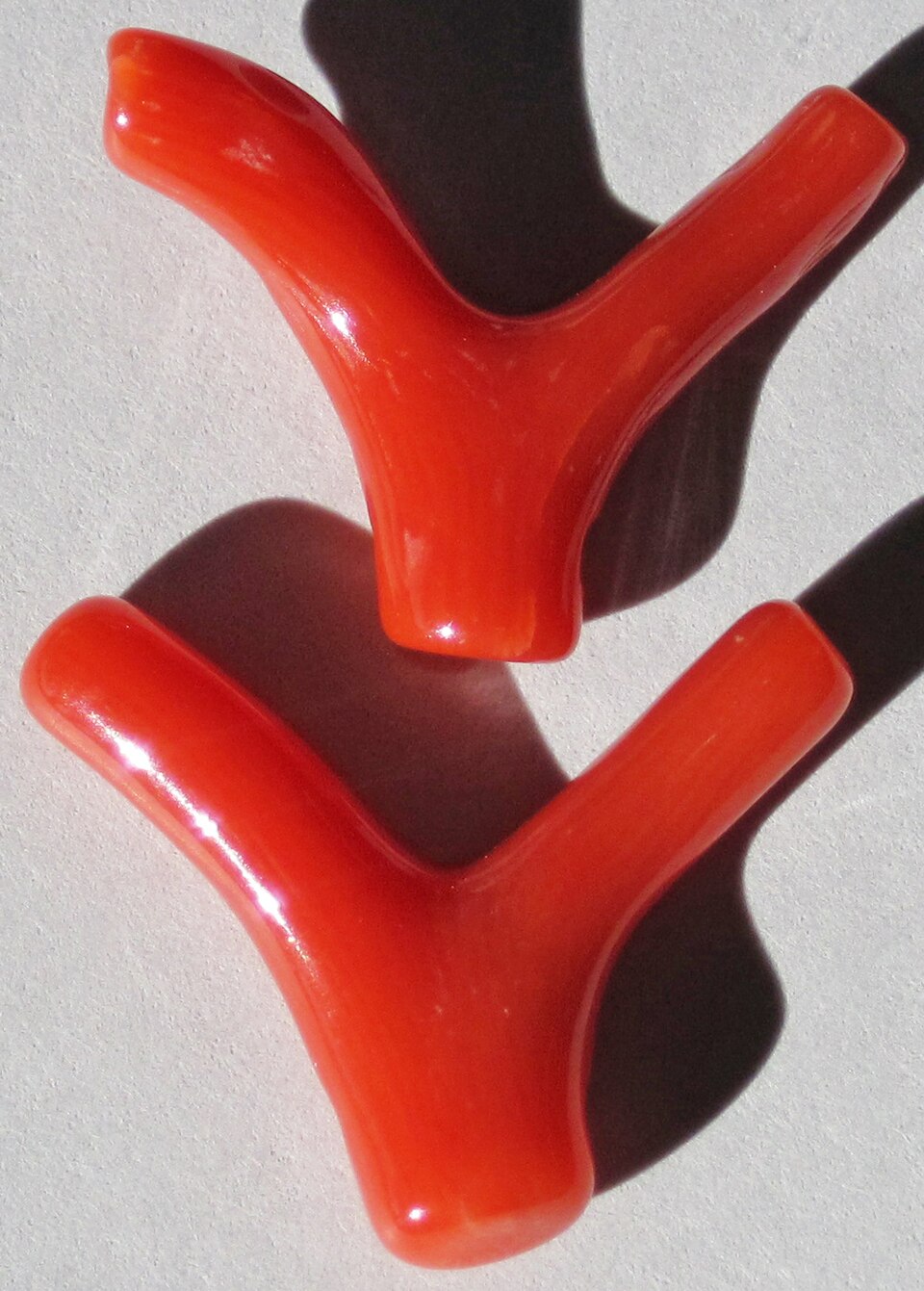
Red Coral properties at a glance
| Type | Organic Gems |
|---|---|
| Chemical formula | CaCO3 |
| Mohs hardness | 3.5 |
| Crystal system | trigonal |
| Luster | vitreous |
| Streak | White |
| Cleavage | None |
| Fracture | Uneven |
| Specific gravity | 2.65 |
| Transparency | opaque |
| Common colors | Red, Pink, Orange, White |
| Rarity | rare |
Geology & background
Forms from the skeletons of marine polyps (coral animals) that accumulate calcium carbonate over time.
Mediterranean red coral has been traded since ancient times and was highly valued in ancient Rome, Greece, and Egypt.
How to identify Red Coral
- Check whether the specimen's color and texture match typical Red Coral examples.
- Photograph a fresh surface in natural light and avoid shadows, glare, or wet surfaces.
- Use hardness, streak, luster, grain size, and locality together; no single trait is enough for every specimen.
Full Red Coral identification guide: checklist, home tests and look-alikes →
Red Coral vs similar stones
Not sure it isn't something else? Side-by-side comparisons with the stones most often confused with Red Coral.
Where Red Coral is found
Red Coral is reported from multiple localities or geological settings. Exact locality should be verified from specimen provenance, maps, or field notes.
How much is Red Coral worth?
| Entry-level specimen | $50 |
|---|---|
| Typical collector specimen | $300 |
| Premium specimen | $3000+ |
Value depends on size, condition, color, crystal quality, locality, rarity, preparation, and provenance. Treat this as educational guidance, not an appraisal.
Common uses
- Jewelry
- Decorative objects
Interesting facts
- Takes decades to centuries to form
- Was once thought to be a plant
- Ancient Romans hung coral around children's necks for protection
Care & safety
Treat Red Coral as a collector specimen unless hardness, cleavage, and fracture are confirmed.
Avoid inhaling dust. Do not cut, grind, or polish unknown specimens without eye protection and a properly rated respirator.
Red Coral FAQ
What is Red Coral?
Precious coral is formed from the skeletons of marine animals. Red coral from the Mediterranean has been prized for jewelry for thousands of years.
How much is Red Coral worth?
Entry-level Red Coral specimens sell for around $50, a typical collector specimen for about $300, and premium pieces for $3000 or more. Value depends on size, condition, color, crystal quality, locality, rarity, preparation, and provenance. Treat this as educational guidance, not an appraisal.
How hard is Red Coral?
Red Coral has a Mohs hardness of 3.5. A steel knife blade (Mohs 5.5) scratches it; a copper coin does not.
Where is Red Coral found?
Notable sources of Red Coral include Mediterranean Sea, Japan, Taiwan, and Hawaii. Forms from the skeletons of marine polyps (coral animals) that accumulate calcium carbonate over time..
What is Red Coral used for?
Red Coral is used for jewelry and decorative objects.