Sedimentary Rocks · common
Diatomite
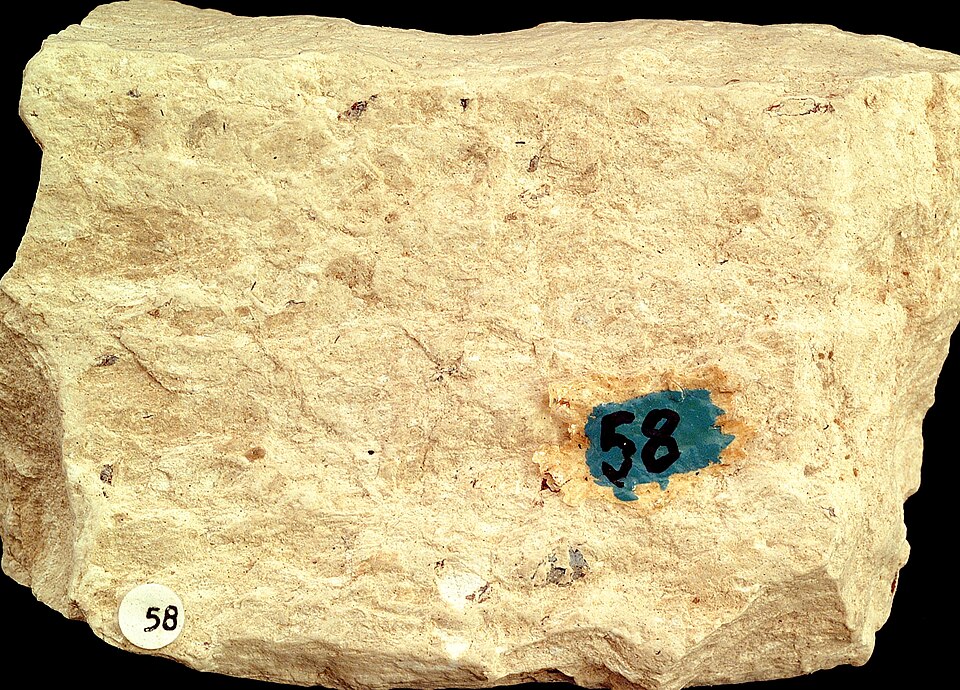
Diatomite is a very light, porous, chalky sedimentary rock made mostly of microscopic diatom remains.
Also known as: Diatomaceous earth, Diatomaceous rock.
Diatomite properties at a glance
| Type | Sedimentary Rocks |
|---|---|
| Chemical formula | Amorphous silica from diatom shells |
| Mohs hardness | 1.5 |
| Luster | dull |
| Streak | White |
| Cleavage | Variable by mineral grains |
| Fracture | Earthy to chalky |
| Specific gravity | 1 |
| Transparency | opaque |
| Common colors | White, Cream, Light gray, Tan |
| Rarity | common |
Geology & background
Forms from accumulations of microscopic diatom shells in lakes or marine basins that later compact into soft silica-rich rock.
Diatomite deposits record ancient productive lakes and marine environments.
How to identify Diatomite
- Look for a very light, soft, chalky rock.
- Diatomite may be white, cream, tan, or pale gray.
- It can feel porous or absorbent compared with limestone.
- Avoid breathing dust from powdered or crumbly material.
Full Diatomite identification guide: checklist, home tests and look-alikes →
Diatomite vs similar stones
Not sure it isn't something else? Side-by-side comparisons with the stones most often confused with Diatomite.
Where Diatomite is found
Diatomite occurs in many sedimentary settings worldwide; exact locality should be verified from field notes, maps, or specimen provenance.
How much is Diatomite worth?
| Entry-level specimen | $1 |
|---|---|
| Typical collector specimen | $10 |
| Premium specimen | $75+ |
Diatomite is usually valued for teaching, field context, locality, texture, fossils, color, or unusual structures rather than high gem value.
Common uses
- Filtration
- Absorbents
- Abrasives
- Education
- Field identification
Interesting facts
- Diatomite is also called diatomaceous earth when loose or powdered.
- It can feel unusually lightweight and absorbent.
- The tiny diatom skeletons are usually only visible under magnification.
Care & safety
Diatomite can be soft, porous, crumbly, or weakly cemented depending on grain size, cement, and weathering.
Avoid inhaling dust. Do not cut, grind, or polish unknown sedimentary rocks without eye protection and a properly rated respirator.
Diatomite FAQ
What is Diatomite?
Diatomite is a very light, porous, chalky sedimentary rock made mostly of microscopic diatom remains.
How much is Diatomite worth?
Entry-level Diatomite specimens sell for around $1, a typical collector specimen for about $10, and premium pieces for $75 or more. Diatomite is usually valued for teaching, field context, locality, texture, fossils, color, or unusual structures rather than high gem value.
How hard is Diatomite?
Diatomite has a Mohs hardness of 1.5. A fingernail (Mohs 2.5) scratches it easily.
What is Diatomite used for?
Diatomite is used for filtration, absorbents, abrasives, education, and field identification.