Silicate Minerals · uncommon
Prasiolite
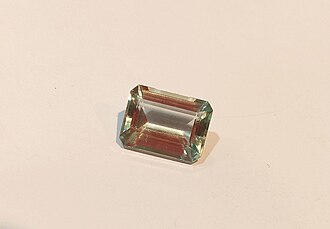
Prasiolite is a pale leek-green variety of quartz, transparent and glassy with the same hardness and durability as other quartz. Most prasiolite on the market is heat-treated amethyst, since naturally green quartz is uncommon.
Also known as: Green quartz, Green amethyst, Vermarine.
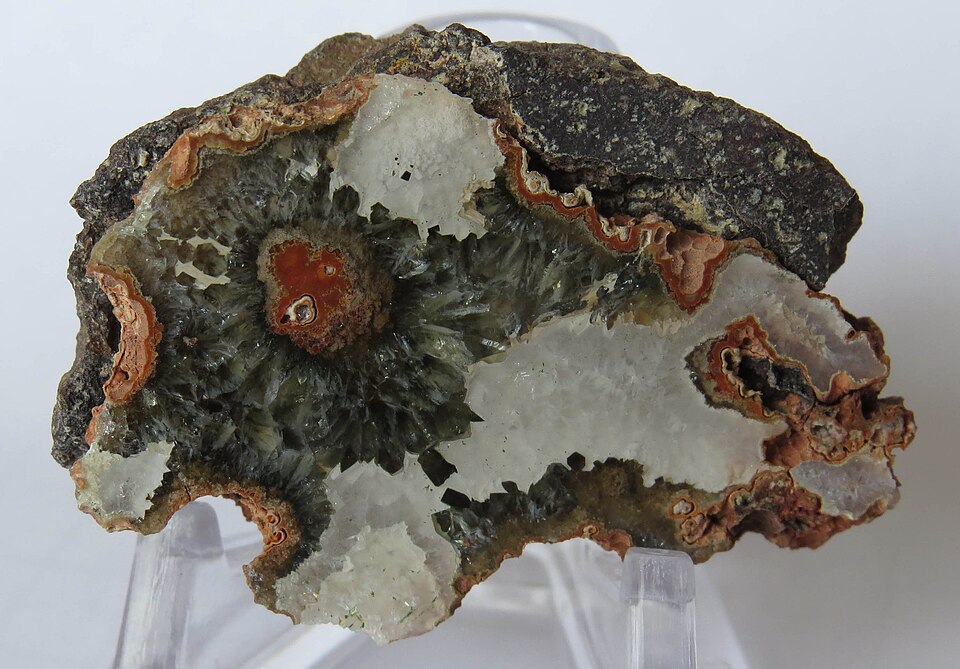
Prasiolite properties at a glance
| Type | Silicate Minerals |
|---|---|
| Chemical formula | SiO2 |
| Mohs hardness | 7 |
| Crystal system | trigonal |
| Luster | vitreous |
| Streak | White |
| Cleavage | None |
| Fracture | Conchoidal |
| Specific gravity | 2.65 |
| Transparency | transparent |
| Common colors | Green, Pale green, Yellowish green |
| Rarity | uncommon |
Geology & background
Prasiolite is a green variety of quartz, most often produced when amethyst or yellowish quartz from certain deposits is heated, with rare natural green quartz forming under similar geologic warming.
Prasiolite became known in the gem trade largely in the twentieth century, after it was found that heating amethyst from certain Brazilian deposits could yield a stable pale green quartz.
How to identify Prasiolite
- Look for a pale, slightly yellowish leek-green color in transparent quartz with glassy luster.
- Prasiolite has quartz hardness near 7, no cleavage, and a conchoidal fracture.
- Most green quartz is heat-treated; natural prasiolite is uncommon and best confirmed by a gemologist.
Full Prasiolite identification guide: checklist, home tests and look-alikes →
Prasiolite photos
Prasiolite vs similar stones
Not sure it isn't something else? Side-by-side comparisons with the stones most often confused with Prasiolite.
Where Prasiolite is found
Prasiolite is a green quartz variety, with material and source amethyst from notable localities in Brazil, Poland, the United States, Canada, Namibia, and Tanzania.
How much is Prasiolite worth?
| Entry-level specimen | $10 |
|---|---|
| Typical collector specimen | $60 |
| Premium specimen | $300+ |
Value depends on color, clarity, cut, size, whether the stone is natural or treated, and provenance.
Common uses
- Faceted gemstones
- Jewelry
- Beads and ornamental objects
- Lapidary carving
- Collector specimens
Interesting facts
- The name prasiolite comes from Greek words meaning leek and stone, describing its soft green color.
- Most commercial prasiolite is amethyst that turned green when heated from specific deposits.
- It is sometimes marketed as green amethyst or green quartz, though green amethyst is a misleading name.
- Natural untreated prasiolite is rare and is reported from only a few localities.
Care & safety
Prasiolite is hard and durable like other quartz, though sharp blows can chip it along fractures.
Avoid inhaling dust. Do not cut, grind, or polish unknown specimens without eye protection and a proper respirator.
Prasiolite FAQ
What is Prasiolite?
Prasiolite is a pale leek-green variety of quartz, transparent and glassy with the same hardness and durability as other quartz. Most prasiolite on the market is heat-treated amethyst, since naturally green quartz is uncommon.
How much is Prasiolite worth?
Entry-level Prasiolite specimens sell for around $10, a typical collector specimen for about $60, and premium pieces for $300 or more. Value depends on color, clarity, cut, size, whether the stone is natural or treated, and provenance.
How hard is Prasiolite?
Prasiolite has a Mohs hardness of 7. It scratches glass and a steel knife and cannot be scratched by a steel file.
Where is Prasiolite found?
Notable sources of Prasiolite include Brazil, Poland, United States, Canada, Namibia, and Tanzania. Prasiolite is a green variety of quartz, most often produced when amethyst or yellowish quartz from certain deposits is heated, with rare natural green quartz forming under similar geologic warming..
What is Prasiolite used for?
Prasiolite is used for faceted gemstones, jewelry, beads and ornamental objects, lapidary carving, and collector specimens.