Sedimentary Rocks · common
Shale
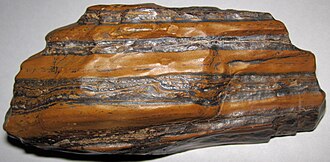
Shale is a fine-grained sedimentary rock formed from compacted clay and silt-sized particles, distinguished by its characteristic fissility, meaning it splits easily into thin, flat layers parallel to its original bedding planes. It accumulates in low-energy environments such as lake bottoms, river deltas, and offshore marine basins where fine sediment can settle undisturbed. Shale is one of the most abundant sedimentary rocks on Earth, making up a substantial portion of the sedimentary rock record worldwide.
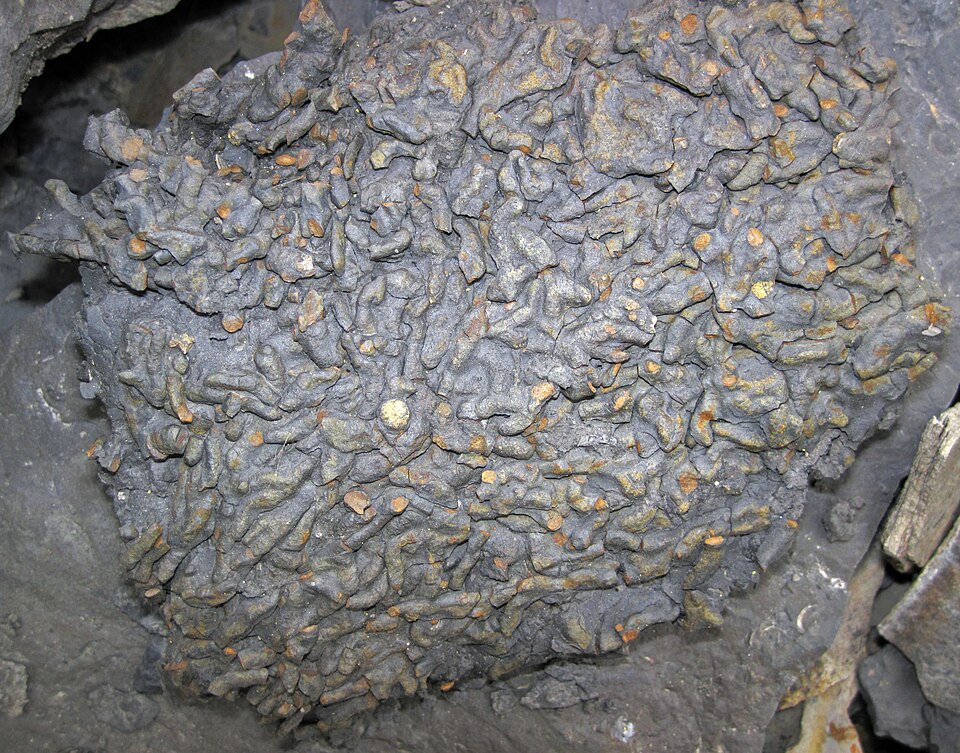
Shale properties at a glance
| Type | Sedimentary Rocks |
|---|---|
| Mohs hardness | 2–3 |
| Luster | Dull to earthy (slightly sub-vitreous if micaceous) |
| Fracture | Fissile; splits into thin platy layers |
| Specific gravity | 2.4–2.8 |
| Transparency | Opaque |
| Common colors | Gray, Black, Brown, Red, Greenish gray |
| Rarity | common |
Geology & background
Shale forms through the slow compaction and lithification of mud deposited in quiet water, where clay minerals and fine organic matter settle out of suspension over thousands to millions of years, gradually flattening under the weight of overlying sediment into thin, parallel layers. This layering, combined with the alignment of platy clay minerals during compaction, produces the rock's signature fissile splitting behavior. Organic-rich black shales, such as the Marcellus Shale of the Appalachian Basin and the Bakken Shale of North Dakota, have become economically vital as sources of natural gas and oil extracted through hydraulic fracturing.
Rockhounds and fossil hunters prize shale for the exceptional preservation it often provides, since fine sediment can capture delicate impressions of leaves, fish, and soft-bodied organisms in remarkable detail, as seen famously in the Burgess Shale of British Columbia. Because shale splits so readily along bedding planes, it is often the easiest rock in which to find intact fossil impressions without heavy excavation equipment. Weathered shale outcrops crumble quickly compared to more resistant rocks, so fresh, unweathered exposures along road cuts and stream banks typically offer the best specimens.
How to identify Shale
Shale is typically gray, black, brown, red, or greenish, fine-grained enough that individual particles cannot be seen without magnification, and displays a dull, earthy luster on broken surfaces. Its defining trait is fissility, the tendency to split into thin, flat sheets along bedding planes, which separates it from mudstone, a similar rock that breaks into blocky chunks instead. Hardness is low, generally around 2 to 3, since it is composed largely of soft clay minerals, and it often feels slightly greasy or smooth to the touch. Black, organic-rich shale may leave a dark smudge on the fingers.
- Compare the specimen's color, luster, crystal habit, grain size, streak, and locality before confirming.
- Use multiple photos when possible, including a fresh surface and a close view of texture.
Full Shale identification guide: checklist, home tests and look-alikes →
Shale vs similar stones
Not sure it isn't something else? Side-by-side comparisons with the stones most often confused with Shale.
Where Shale is found
Reported from multiple localities worldwide; verify locality against specimen provenance when available.
How much is Shale worth?
| Entry-level specimen | $1 |
|---|---|
| Typical collector specimen | $10 |
| Premium specimen | $75+ |
Value depends on size, crystal quality, color, locality, rarity, damage, and provenance.
Common uses
- Field identification
- Fossil and depositional environment study
- Construction or aggregate when suitable
- Education
Interesting facts
- The Burgess Shale in Canada preserved soft-bodied Cambrian creatures in such fine detail that it rewrote scientific understanding of early animal evolution.
- Black shales rich in organic matter, like the Marcellus and Bakken formations, have become major sources of natural gas thanks to modern hydraulic fracturing techniques.
- Shale's tendency to split into thin sheets comes from microscopic clay flakes that align flat during the slow compaction of ancient mud.
Care & safety
Handle as a collector specimen until hardness, cleavage, and fracture are verified.
Avoid inhaling dust. Do not cut, grind, or polish unknown specimens without eye protection and a proper respirator.
Shale FAQ
What is Shale?
Shale is a fine-grained sedimentary rock formed from compacted clay and silt-sized particles, distinguished by its characteristic fissility, meaning it splits easily into thin, flat layers parallel to its original bedding planes. It accumulates in low-energy environments such as lake bottoms, river deltas, and offshore marine basins where fine sediment can settle undisturbed. Shale is one of the most abundant sedimentary rocks on Earth, making up a substantial portion of the sedimentary rock record worldwide.
How much is Shale worth?
Entry-level Shale specimens sell for around $1, a typical collector specimen for about $10, and premium pieces for $75 or more. Value depends on size, crystal quality, color, locality, rarity, damage, and provenance.
How hard is Shale?
Shale has a Mohs hardness of 2–3. A copper coin (Mohs 3.5) scratches it, but a fingernail does not.
What is Shale used for?
Shale is used for field identification, fossil and depositional environment study, construction or aggregate when suitable, and education.