Silicate Minerals · uncommon
Sillimanite
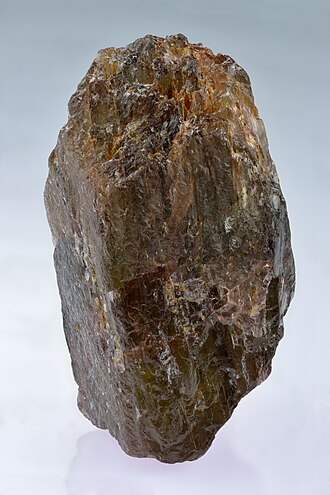
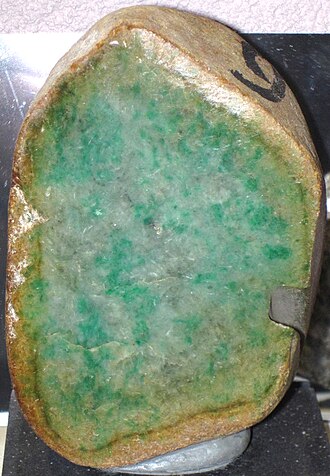
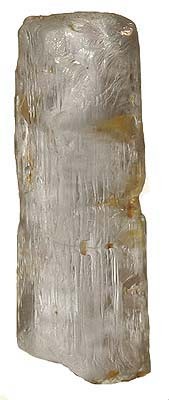
Sillimanite is an aluminum silicate mineral that forms slender prismatic crystals or fibrous masses, the fibrous variety being called fibrolite. It is one of three aluminosilicate minerals that share the same composition but differ in structure.
Also known as: Fibrolite, Aluminum silicate.
Sillimanite properties at a glance
| Type | Silicate Minerals |
|---|---|
| Chemical formula | Al2SiO5 |
| Mohs hardness | 7 |
| Crystal system | orthorhombic |
| Luster | vitreous |
| Streak | White |
| Cleavage | Perfect on {010} |
| Fracture | Uneven |
| Specific gravity | 3.24 |
| Transparency | transparent |
| Common colors | White, Gray, Brown, Pale green, Yellow |
| Rarity | uncommon |
Geology & background
Sillimanite forms in high-temperature metamorphic rocks such as schist and gneiss, often where aluminum-rich sediments are subjected to intense regional or contact metamorphism.
Sillimanite was named in 1824 in honor of the American scientist Benjamin Silliman. It later became industrially important as a raw material for high-temperature ceramics and refractories.
How to identify Sillimanite
- Look for slender prismatic crystals or fibrous masses with one perfect cleavage direction.
- Sillimanite is hard, about seven, helping separate it from softer fibrous minerals.
- It can resemble andalusite and kyanite; crystal habit and locality help distinguish them.
Full Sillimanite identification guide: checklist, home tests and look-alikes →
Sillimanite vs similar stones
Not sure it isn't something else? Side-by-side comparisons with the stones most often confused with Sillimanite.
Where Sillimanite is found
Sillimanite occurs in high-grade metamorphic rocks worldwide, with notable specimen and gem localities in India, Myanmar, Sri Lanka, the United States, the Czech Republic, and Brazil.
How much is Sillimanite worth?
| Entry-level specimen | $10 |
|---|---|
| Typical collector specimen | $70 |
| Premium specimen | $450+ |
Value depends on crystal quality, clarity, color, size, locality, and any gem-grade chatoyant material.
Common uses
- High-temperature refractory ceramics
- Spark plug and porcelain manufacture
- Faceted gemstones from rare clear crystals
- Collector specimens
- Metamorphic study
Interesting facts
- Sillimanite shares its chemical formula with andalusite and kyanite but has a different crystal structure.
- Its fibrous variety is known as fibrolite because of its hair-like fibers.
- Geologists use sillimanite as an indicator of high-temperature metamorphic conditions.
- Sillimanite is the official state mineral of Delaware in the United States.
Care & safety
Sillimanite is hard but its perfect cleavage and fibrous habit make it prone to splitting.
Avoid inhaling dust. Do not cut, grind, or polish unknown specimens without eye protection and a proper respirator.
Sillimanite FAQ
What is Sillimanite?
Sillimanite is an aluminum silicate mineral that forms slender prismatic crystals or fibrous masses, the fibrous variety being called fibrolite. It is one of three aluminosilicate minerals that share the same composition but differ in structure.
How much is Sillimanite worth?
Entry-level Sillimanite specimens sell for around $10, a typical collector specimen for about $70, and premium pieces for $450 or more. Value depends on crystal quality, clarity, color, size, locality, and any gem-grade chatoyant material.
How hard is Sillimanite?
Sillimanite has a Mohs hardness of 7. It scratches glass and a steel knife and cannot be scratched by a steel file.
Where is Sillimanite found?
Notable sources of Sillimanite include India, Myanmar, Sri Lanka, United States, Czech Republic, and Brazil. Sillimanite forms in high-temperature metamorphic rocks such as schist and gneiss, often where aluminum-rich sediments are subjected to intense regional or contact metamorphism..
What is Sillimanite used for?
Sillimanite is used for high-temperature refractory ceramics, spark plug and porcelain manufacture, faceted gemstones from rare clear crystals, collector specimens, and metamorphic study.