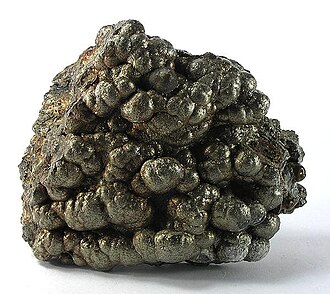
Sulfide Minerals · common
Sphalerite
Sphalerite is zinc sulfide, the most important ore of zinc. It ranges from honey-yellow and green to brown and black, with a distinctive resinous to adamantine luster and perfect dodecahedral cleavage in six directions.
Also known as: Zinc blende, Blende, Black jack.
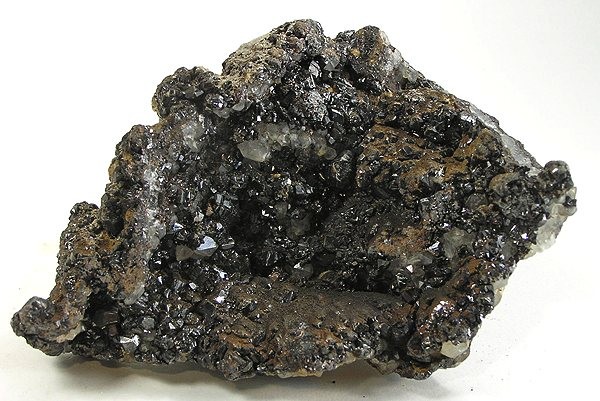
Sphalerite properties at a glance
| Type | Sulfide Minerals |
|---|---|
| Chemical formula | ZnS |
| Mohs hardness | 3.75 |
| Crystal system | cubic |
| Luster | resinous |
| Streak | Brownish white to pale yellow |
| Cleavage | Perfect dodecahedral |
| Fracture | Conchoidal |
| Specific gravity | 4.05 |
| Transparency | transparent |
| Common colors | Brown, Black, Yellow, Red, Green |
| Rarity | common |
Geology & background
Sphalerite forms mainly in hydrothermal veins and carbonate-hosted deposits, commonly with galena, and is the dominant ore mineral of zinc.
As the chief source of zinc, sphalerite has underpinned brass production and galvanizing for centuries, and major mining districts built around it shaped regional economies in Europe and the Americas.
How to identify Sphalerite
- Look for resinous to adamantine luster, perfect cleavage in six directions, and a pale brownish to yellow streak.
- Color varies widely with iron content, so rely on luster, cleavage, and streak rather than color alone.
- Moderate hardness near 3.5 to 4 and high density help confirm an identification.
Full Sphalerite identification guide: checklist, home tests and look-alikes →
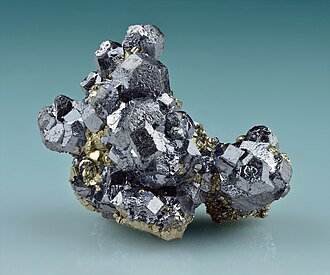
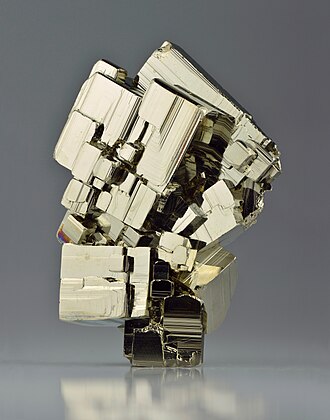
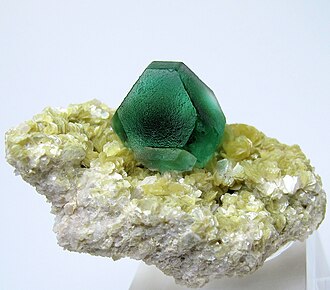
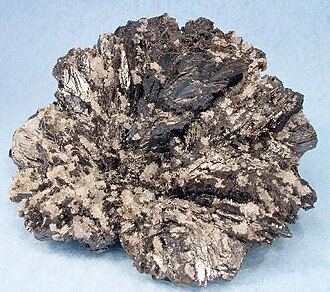
Sphalerite photos
Sphalerite vs similar stones
Not sure it isn't something else? Side-by-side comparisons with the stones most often confused with Sphalerite.
Where Sphalerite is found
Sphalerite occurs in hydrothermal and carbonate-hosted ore deposits worldwide, with notable specimen localities in the United States, Mexico, Spain, Peru, Bulgaria, and China.
How much is Sphalerite worth?
| Entry-level specimen | $5 |
|---|---|
| Typical collector specimen | $70 |
| Premium specimen | $600+ |
Value depends on crystal quality, color, transparency, luster, locality, and aesthetics of the specimen.
Common uses
- Primary ore of zinc
- Source of cadmium, indium, and gallium
- Faceted collector gemstones
- Mineral specimens
Interesting facts
- The name comes from a Greek word meaning treacherous, because dark sphalerite was easily mistaken for galena.
- Pure, iron-poor sphalerite can be cut into intensely fiery gemstones with dispersion higher than diamond.
- Iron content controls the color, darkening the mineral from pale yellow toward near black.
- Many sphalerite specimens fluoresce or show triboluminescence when struck or scratched.
Care & safety
Sphalerite is fairly soft and brittle with perfect cleavage, so it chips and cleaves easily.
Avoid inhaling dust. Do not cut, grind, or polish unknown specimens without eye protection and a proper respirator.
Wash hands after handling. Sphalerite often contains cadmium and other trace metals; wash hands after handling and keep specimens away from food.
Sphalerite FAQ
What is Sphalerite?
Sphalerite is zinc sulfide, the most important ore of zinc. It ranges from honey-yellow and green to brown and black, with a distinctive resinous to adamantine luster and perfect dodecahedral cleavage in six directions.
How much is Sphalerite worth?
Entry-level Sphalerite specimens sell for around $5, a typical collector specimen for about $70, and premium pieces for $600 or more. Value depends on crystal quality, color, transparency, luster, locality, and aesthetics of the specimen.
How hard is Sphalerite?
Sphalerite has a Mohs hardness of 3.75. A steel knife blade (Mohs 5.5) scratches it; a copper coin does not.
Where is Sphalerite found?
Notable sources of Sphalerite include United States, Mexico, Spain, Peru, Bulgaria, and China. Sphalerite forms mainly in hydrothermal veins and carbonate-hosted deposits, commonly with galena, and is the dominant ore mineral of zinc..
What is Sphalerite used for?
Sphalerite is used for primary ore of zinc, source of cadmium, indium, and gallium, faceted collector gemstones, and mineral specimens.