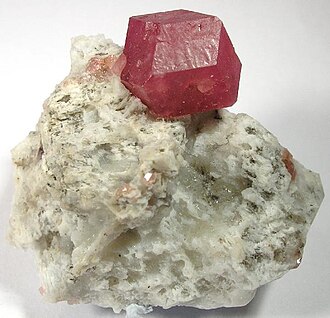
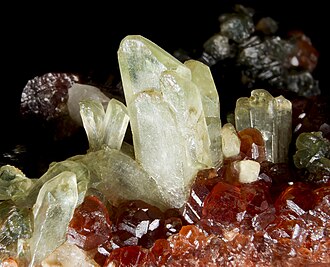
Silicate Minerals · uncommon
Vesuvianite
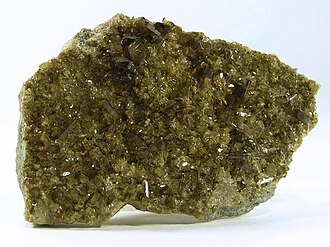
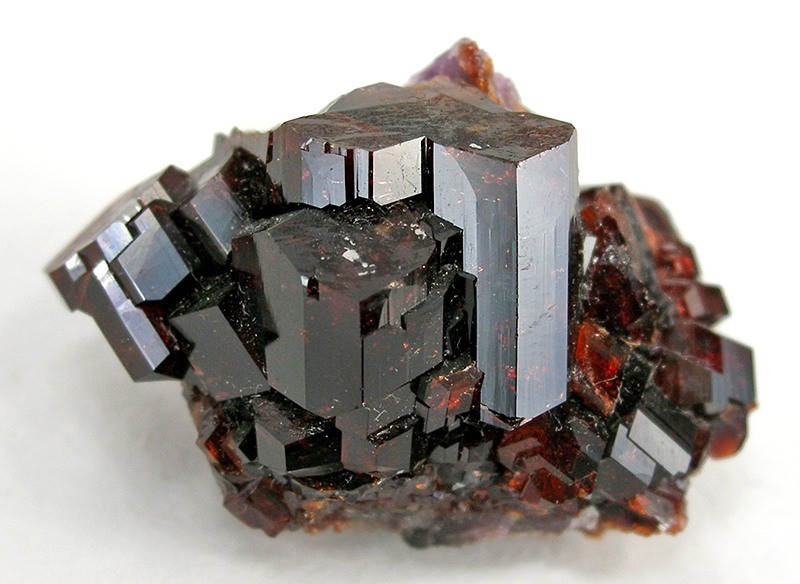
Vesuvianite, also called idocrase, is a calcium aluminum silicate that typically forms prismatic crystals or massive aggregates. Usually green to brown, it is a characteristic skarn mineral and an occasional gemstone for collectors.
Also known as: Idocrase, Californite.
Vesuvianite properties at a glance
| Type | Silicate Minerals |
|---|---|
| Chemical formula | Ca10(Mg,Fe)2Al4(SiO4)5(Si2O7)2(OH)4 |
| Mohs hardness | 6.5 |
| Crystal system | tetragonal |
| Luster | vitreous |
| Streak | White |
| Cleavage | Poor |
| Fracture | Uneven |
| Specific gravity | 3.4 |
| Transparency | translucent |
| Common colors | Green, Brown, Yellow, Blue |
| Rarity | uncommon |
Geology & background
Vesuvianite forms by contact metamorphism of impure limestones, crystallizing in skarns and metamorphosed carbonate rocks where calcium, aluminum, and silica recombine.
Vesuvianite was described and named in 1795 from specimens collected on Mount Vesuvius. It became a classic mineralogical species and a model mineral for studying complex calcium silicates.
How to identify Vesuvianite
- Look for stout prismatic tetragonal crystals or massive aggregates with a vitreous luster.
- Green to brown color and occurrence in skarns help distinguish vesuvianite from garnet.
- Hardness near 6.5 and poor cleavage support identification.
Full Vesuvianite identification guide: checklist, home tests and look-alikes →
Vesuvianite vs similar stones
Not sure it isn't something else? Side-by-side comparisons with the stones most often confused with Vesuvianite.
Where Vesuvianite is found
Vesuvianite occurs in skarns and metamorphosed limestones worldwide, with the type locality on Mount Vesuvius in Italy and additional fine specimens from the United States, Canada, Russia, Norway, and Kenya.
How much is Vesuvianite worth?
| Entry-level specimen | $10 |
|---|---|
| Typical collector specimen | $55 |
| Premium specimen | $350+ |
Value depends on crystal size, color, transparency, locality, damage, and overall aesthetics.
Common uses
- Collector specimens
- Faceted and cabochon gemstones
- Ornamental californite stone
- Educational mineralogy
Interesting facts
- Vesuvianite was first found among the ejected blocks of Mount Vesuvius, giving the mineral its name.
- The alternate name idocrase comes from Greek words meaning mixed form, reflecting its varied crystal faces.
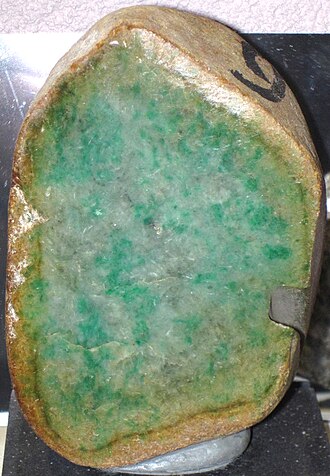
- A massive green variety called californite resembles jade and is cut as an ornamental stone.
- Rare blue cyprine vesuvianite owes its color to traces of copper.
Care & safety
Vesuvianite is fairly hard and durable, though crystals can still chip from sharp impacts.
Avoid inhaling dust. Do not cut, grind, or polish unknown specimens without eye protection and a proper respirator.
Vesuvianite FAQ
What is Vesuvianite?
Vesuvianite, also called idocrase, is a calcium aluminum silicate that typically forms prismatic crystals or massive aggregates. Usually green to brown, it is a characteristic skarn mineral and an occasional gemstone for collectors.
How much is Vesuvianite worth?
Entry-level Vesuvianite specimens sell for around $10, a typical collector specimen for about $55, and premium pieces for $350 or more. Value depends on crystal size, color, transparency, locality, damage, and overall aesthetics.
How hard is Vesuvianite?
Vesuvianite has a Mohs hardness of 6.5. It scratches glass and a steel knife and cannot be scratched by a steel file.
Where is Vesuvianite found?
Notable sources of Vesuvianite include Italy, United States, Canada, Russia, Norway, and Kenya. Vesuvianite forms by contact metamorphism of impure limestones, crystallizing in skarns and metamorphosed carbonate rocks where calcium, aluminum, and silica recombine..
What is Vesuvianite used for?
Vesuvianite is used for collector specimens, faceted and cabochon gemstones, ornamental californite stone, and educational mineralogy.