Silicate Minerals · uncommon
Zoisite
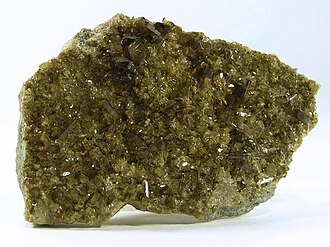
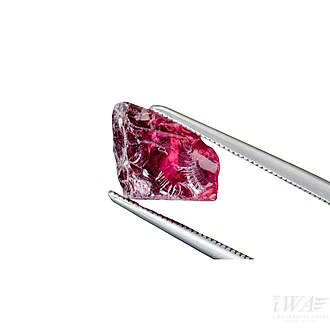
Zoisite is a calcium aluminum silicate that occurs in striated prismatic crystals and massive aggregates. Best known through its blue-violet gem variety tanzanite and the pink variety thulite, it is both a metamorphic mineral and a notable gemstone.
Also known as: Thulite.
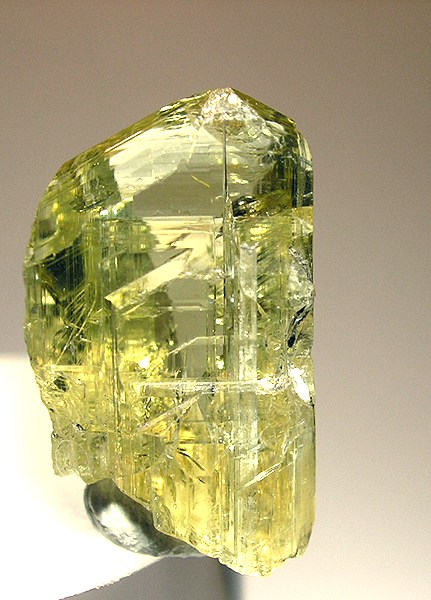
Zoisite properties at a glance
| Type | Silicate Minerals |
|---|---|
| Chemical formula | Ca2Al3(SiO4)(Si2O7)O(OH) |
| Mohs hardness | 6.5 |
| Crystal system | orthorhombic |
| Luster | vitreous |
| Streak | White |
| Cleavage | Perfect |
| Fracture | Uneven |
| Specific gravity | 3.3 |
| Transparency | transparent |
| Common colors | Green, Pink, Blue, Gray |
| Rarity | uncommon |
Geology & background
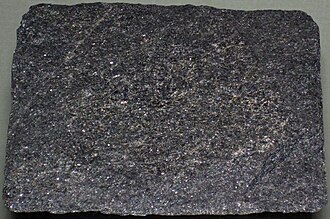
Zoisite forms in regionally metamorphosed and hydrothermally altered rocks, including schists, gneisses, and eclogites, where calcium-aluminum silicate minerals recrystallize under pressure.
Zoisite was named in 1805 after Baron Sigmund Zois von Edelstein, who supported its discovery. It gained worldwide fame in the late 1960s when its blue variety was introduced to the market as tanzanite.
How to identify Zoisite
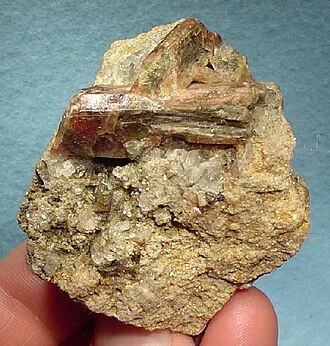
- Look for striated prismatic crystals or massive aggregates with one direction of perfect cleavage.
- Hardness near 6.5 and strong pleochroism in gem material help distinguish zoisite.
- Association with epidote and metamorphic host rocks supports identification.
Full Zoisite identification guide: checklist, home tests and look-alikes →
Zoisite photos
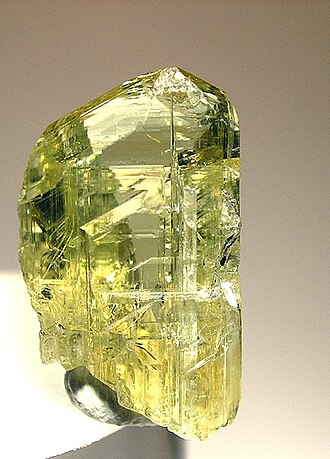
Zoisite vs similar stones
Not sure it isn't something else? Side-by-side comparisons with the stones most often confused with Zoisite.
Where Zoisite is found
Zoisite occurs in metamorphic rocks worldwide, with the famous tanzanite deposits in Tanzania, the type locality in Austria, thulite from Norway, and additional localities in Kenya, the United States, and Pakistan.
How much is Zoisite worth?
| Entry-level specimen | $12 |
|---|---|
| Typical collector specimen | $70 |
| Premium specimen | $450+ |
Value depends on color, transparency, crystal size, variety, locality, damage, and overall aesthetics.
Common uses
- Faceted gemstones such as tanzanite
- Ornamental thulite and anyolite carvings
- Collector specimens
- Educational mineralogy
Interesting facts
- The blue-violet gem variety tanzanite is heat-treated zoisite found mainly in Tanzania.
- The pink to rose variety colored by manganese is called thulite, named after the mythical land Thule.
- Massive green zoisite with rubies, sometimes called anyolite, is carved into ornaments.
- Zoisite was originally named saualpite before being renamed for the collector Sigmund Zois.
Care & safety
Zoisite is fairly hard but has perfect cleavage and can be sensitive to sudden temperature changes.
Avoid inhaling dust. Do not cut, grind, or polish unknown specimens without eye protection and a proper respirator.
Zoisite FAQ
What is Zoisite?
Zoisite is a calcium aluminum silicate that occurs in striated prismatic crystals and massive aggregates. Best known through its blue-violet gem variety tanzanite and the pink variety thulite, it is both a metamorphic mineral and a notable gemstone.
How much is Zoisite worth?
Entry-level Zoisite specimens sell for around $12, a typical collector specimen for about $70, and premium pieces for $450 or more. Value depends on color, transparency, crystal size, variety, locality, damage, and overall aesthetics.
How hard is Zoisite?
Zoisite has a Mohs hardness of 6.5. It scratches glass and a steel knife and cannot be scratched by a steel file.
Where is Zoisite found?
Notable sources of Zoisite include Tanzania, Norway, Austria, Kenya, United States, and Pakistan. Zoisite forms in regionally metamorphosed and hydrothermally altered rocks, including schists, gneisses, and eclogites, where calcium-aluminum silicate minerals recrystallize under pressure..
What is Zoisite used for?
Zoisite is used for faceted gemstones such as tanzanite, ornamental thulite and anyolite carvings, collector specimens, and educational mineralogy.