Minerals · common
Borax
Borax is a hydrated sodium borate mineral, Na2B4O7·10H2O, that crystallizes from the evaporation of alkaline lakes in arid basins. It has been mined and used by humans for thousands of years as a cleaning agent, flux, and preservative, making it one of the more historically significant evaporite minerals. Borax dissolves readily in water and gives off a sweetish alkaline taste, reflecting its high solubility compared to most rock-forming minerals.
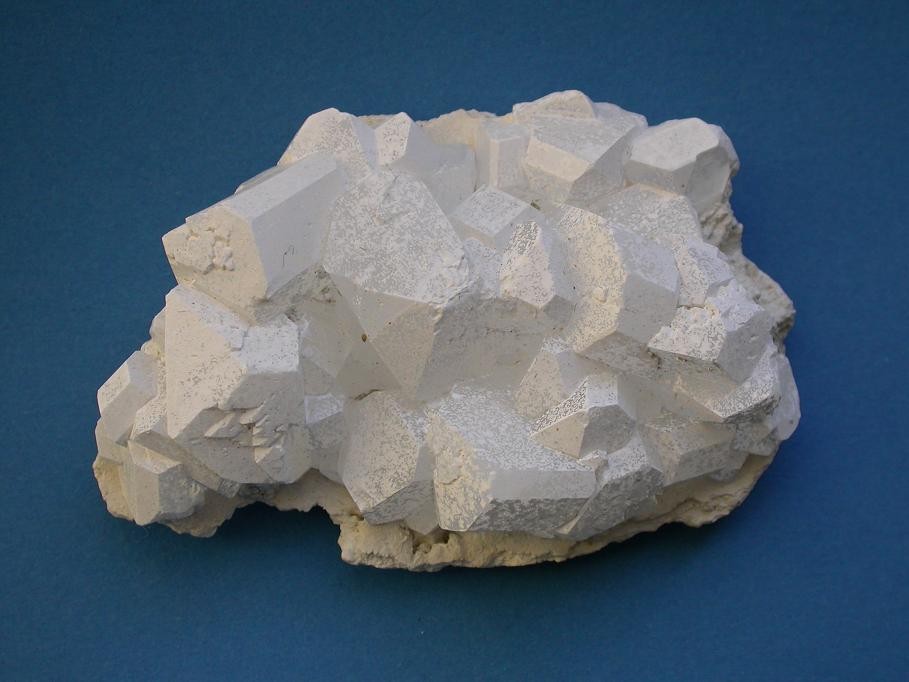
Borax properties at a glance
| Type | Minerals |
|---|---|
| Chemical formula | Na2B4O7·10H2O |
| Mohs hardness | 2–2.5 |
| Crystal system | Monoclinic |
| Luster | Vitreous to resinous, earthy when dehydrated |
| Streak | White |
| Cleavage | Perfect, one direction |
| Fracture | Conchoidal |
| Specific gravity | 1.7 |
| Transparency | Transparent to translucent |
| Common colors | White, Colorless, Gray |
| Rarity | common |
Geology & background
Borax forms through evaporative concentration in closed desert basins that receive boron-rich runoff from surrounding volcanic or hydrothermal sources, conditions found in California's Death Valley region and Searles Lake, Turkey's extensive borate basins, and Tibet's high-altitude salt lakes. These playa environments cycle through wet and dry seasons, allowing borax to crystallize near the surface or within evaporite crusts, often accompanied by other borate minerals like kernite, ulexite, and colemanite. Historically, twenty-mule-team wagons hauled borax out of Death Valley in the late nineteenth century, cementing California's place as a major historic source.
Collectors should note that borax crystals are relatively soft and can dehydrate or effloresce in dry air, losing water molecules and turning to a chalky powder called tincalconite if not kept humidified or sealed. This makes well-preserved, transparent borax crystals more difficult to maintain in a collection than harder, more stable minerals, and specimens are often coated or stored in controlled conditions to slow the transformation.
How to identify Borax
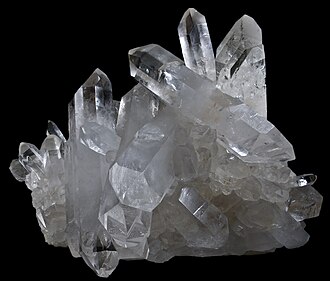
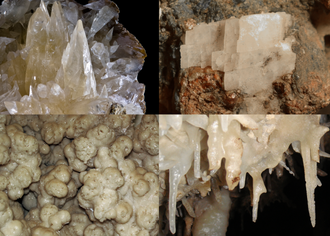
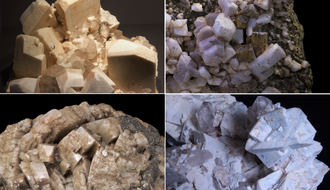
Borax is colorless to white or gray, sometimes with a yellowish or greenish tint from impurities, and has a vitreous to resinous, sometimes dull, luster with a white streak. It has a hardness of only 2 to 2.5 and one perfect cleavage direction, typically forming short prismatic crystals or granular and earthy masses in evaporite deposits. Its distinctly sweet alkaline taste and ready solubility in water separate it from harder, less soluble evaporite minerals like gypsum, though its tendency to dehydrate into powdery tincalconite on exposure to air is a key diagnostic behavior.
- Compare the specimen's color, luster, crystal habit, grain size, streak, and locality before confirming.
- Use multiple photos when possible, including a fresh surface and a close view of texture.
Full Borax identification guide: checklist, home tests and look-alikes →
Borax vs similar stones
Not sure it isn't something else? Side-by-side comparisons with the stones most often confused with Borax.
Where Borax is found
Reported from multiple localities worldwide; verify locality against specimen provenance when available.
How much is Borax worth?
| Entry-level specimen | $2 |
|---|---|
| Typical collector specimen | $20 |
| Premium specimen | $150+ |
Value depends on size, crystal quality, color, locality, rarity, damage, and provenance.
Common uses
- Collector specimens
- Education
- Field identification
- Industrial or lapidary use when suitable
Interesting facts
- Twenty-mule teams famously hauled wagonloads of borax more than 160 miles across Death Valley to the nearest railroad in the 1880s.
- Borax slowly dehydrates in dry air, converting to a powdery mineral called tincalconite, which is why fresh borax crystals rarely stay glassy for long outside humid storage.
- Marco Polo is credited with bringing borax from Central Asia to medieval Europe, where goldsmiths used it as a flux for soldering.
Care & safety
Handle as a collector specimen until hardness, cleavage, and fracture are verified.
Avoid inhaling dust. Do not cut, grind, or polish unknown specimens without eye protection and a proper respirator.
Borax FAQ
What is Borax?
Borax is a hydrated sodium borate mineral, Na2B4O7·10H2O, that crystallizes from the evaporation of alkaline lakes in arid basins. It has been mined and used by humans for thousands of years as a cleaning agent, flux, and preservative, making it one of the more historically significant evaporite minerals. Borax dissolves readily in water and gives off a sweetish alkaline taste, reflecting its high solubility compared to most rock-forming minerals.
How much is Borax worth?
Entry-level Borax specimens sell for around $2, a typical collector specimen for about $20, and premium pieces for $150 or more. Value depends on size, crystal quality, color, locality, rarity, damage, and provenance.
How hard is Borax?
Borax has a Mohs hardness of 2–2.5. A fingernail (Mohs 2.5) scratches it easily.
What is Borax used for?
Borax is used for collector specimens, education, field identification, and industrial or lapidary use when suitable.