Metals & Alloys · common
Bronze
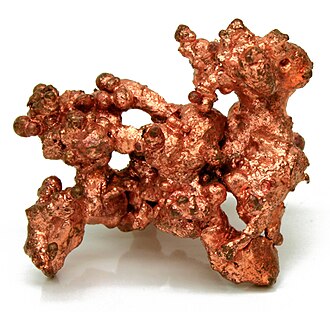
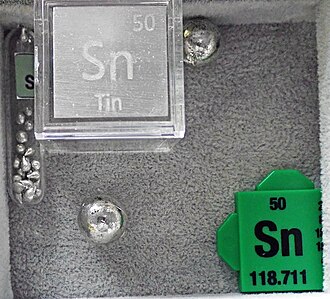
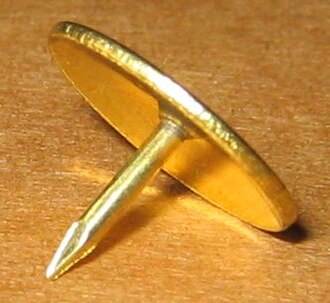
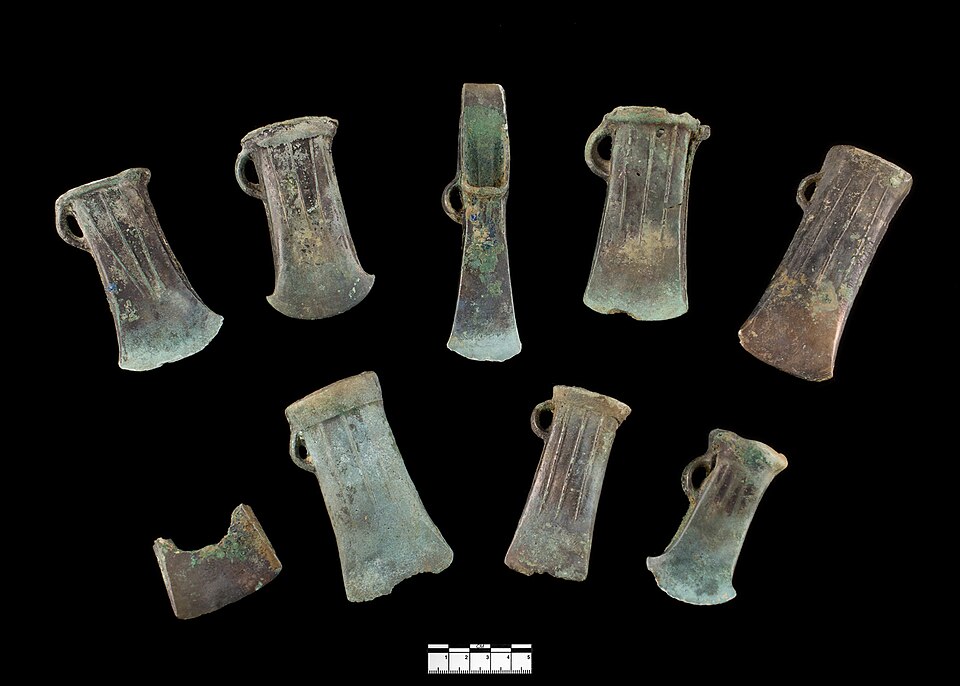
Bronze is a copper alloy, traditionally with tin, that often appears brown, coppery, golden, or green-patinated on older objects.
Also known as: Bronze alloy, Copper-tin alloy, Patinated bronze.
Bronze properties at a glance
| Type | Metals & Alloys |
|---|---|
| Chemical formula | Copper-tin alloy; composition varies |
| Mohs hardness | 3 |
| Luster | metallic |
| Streak | Brownish gold to coppery |
| Cleavage | None |
| Fracture | Ductile to uneven |
| Specific gravity | 8.8 |
| Transparency | opaque |
| Common colors | Brown, Bronze, Gold, Green patina, Copper brown |
| Rarity | common |
Geology & background
Bronze is manufactured by alloying copper with tin or related elements, then casting or working it into tools, sculpture, hardware, medals, and decorative objects.
Bronze was important enough in early toolmaking and weapons that an entire archaeological period is known as the Bronze Age.
How to identify Bronze
- Look for brown, coppery, or muted golden metal.
- Aged bronze may show green, blue-green, or dark brown patina.
- Bronze is usually warmer and browner than brass.
- Common objects include statues, medals, bells, and antique hardware.
Full Bronze identification guide: checklist, home tests and look-alikes →
Bronze vs similar stones
Not sure it isn't something else? Side-by-side comparisons with the stones most often confused with Bronze.
Where Bronze is found
Bronze is manufactured, refined, recycled, or traded worldwide; verify grade, purity, and origin from markings, documentation, or provenance when available.
How much is Bronze worth?
| Entry-level specimen | $1 |
|---|---|
| Typical collector specimen | $25 |
| Premium specimen | $300+ |
Value depends mostly on the object, purity or alloy grade, weight, brand, condition, markings, and whether it is jewelry, hardware, a coin, a tool, or a raw material sample.
Common uses
- Sculpture
- Medals and coins
- Bells
- Decorative hardware
- Antique tools and fittings
Interesting facts
- Bronze often develops green or dark brown patina with age.
- It is usually browner and less yellow than brass.
- Many statues, medals, bells, and antique fittings are bronze.
Care & safety
Bronze can scratch, dent, tarnish, corrode, or lose its surface finish depending on the alloy, coating, and use wear.
Check sharp edges. Manufactured metal objects can have sharp edges, burrs, broken points, or worn plating; handle damaged pieces carefully.
Bronze FAQ
What is Bronze?
Bronze is a copper alloy, traditionally with tin, that often appears brown, coppery, golden, or green-patinated on older objects.
How much is Bronze worth?
Entry-level Bronze specimens sell for around $1, a typical collector specimen for about $25, and premium pieces for $300 or more. Value depends mostly on the object, purity or alloy grade, weight, brand, condition, markings, and whether it is jewelry, hardware, a coin, a tool, or a raw material sample.
How hard is Bronze?
Bronze has a Mohs hardness of 3. A copper coin (Mohs 3.5) scratches it, but a fingernail does not.
What is Bronze used for?
Bronze is used for sculpture, medals and coins, bells, decorative hardware, and antique tools and fittings.