Metals & Alloys · common
Tin
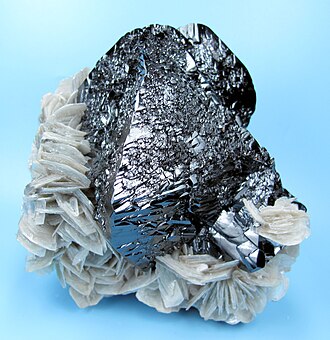
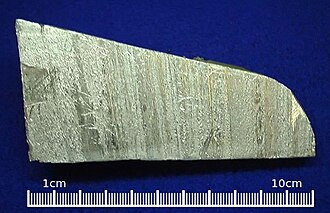
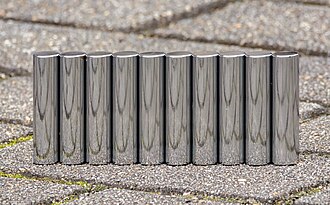
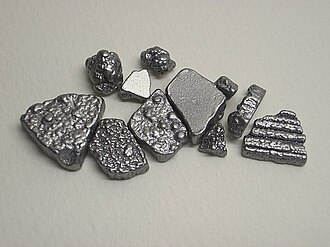
Tin is a soft silvery metal used in solder, coatings, alloys, pewter, and some decorative or educational metal samples.
Also known as: Tin sample, Sn, Tin plating.
Tin properties at a glance
| Type | Metals & Alloys |
|---|---|
| Chemical formula | Sn |
| Mohs hardness | 1.5 |
| Luster | metallic |
| Streak | Silver-gray |
| Cleavage | None |
| Fracture | Ductile to uneven |
| Specific gravity | 7.31 |
| Transparency | opaque |
| Common colors | Silver, Gray, Dull gray |
| Rarity | common |
Geology & background
Tin is refined mainly from cassiterite ore and then cast, rolled, drawn, or alloyed into solder, plating, pewter, and other materials.
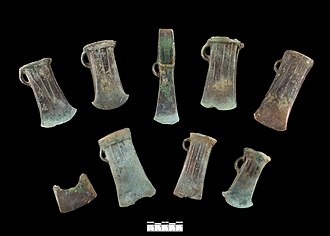
Tin was essential to bronze production and later became important in solders, coatings, and food packaging.
How to identify Tin
- Look for a soft silver-gray metal.
- Tin can appear duller than polished silver or chrome.
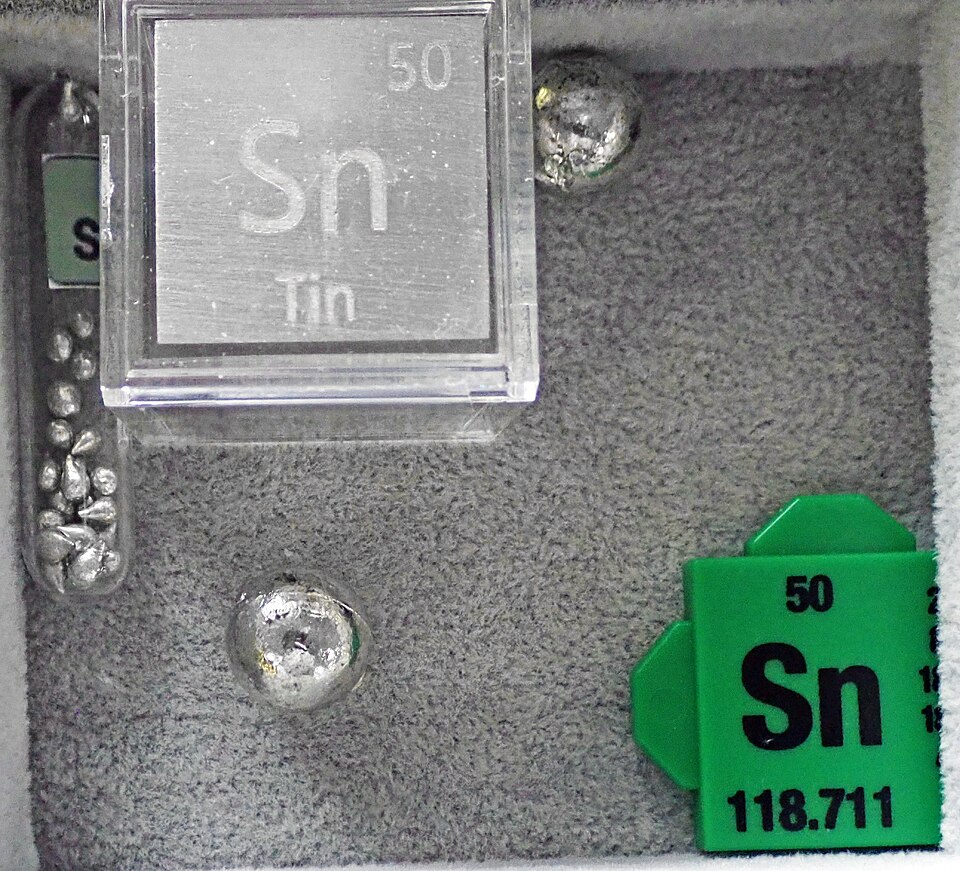
- It is common in solder, plating, pewter, and educational element samples.
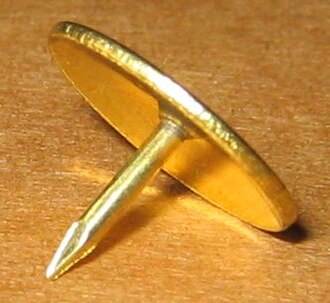
- Tin coatings may be thin and attached to a different base metal.
Full Tin identification guide: checklist, home tests and look-alikes →
Tin vs similar stones
Not sure it isn't something else? Side-by-side comparisons with the stones most often confused with Tin.
Where Tin is found
Tin is manufactured, refined, recycled, or traded worldwide; verify grade, purity, and origin from markings, documentation, or provenance when available.
How much is Tin worth?
| Entry-level specimen | $1 |
|---|---|
| Typical collector specimen | $15 |
| Premium specimen | $120+ |
Value depends mostly on the object, purity or alloy grade, weight, brand, condition, markings, and whether it is jewelry, hardware, a coin, a tool, or a raw material sample.
Common uses
- Solder
- Tin plating
- Pewter
- Bronze alloying
- Educational element samples
Interesting facts
- Tin is soft and has a low melting point compared with many common metals.
- Tin is an important ingredient in pewter and many solders.
- Tin-plated steel is commonly used in food cans, even though the can itself is mostly steel.
Care & safety
Tin can scratch, dent, tarnish, corrode, or lose its surface finish depending on the alloy, coating, and use wear.
Check sharp edges. Manufactured metal objects can have sharp edges, burrs, broken points, or worn plating; handle damaged pieces carefully.
Tin FAQ
What is Tin?
Tin is a soft silvery metal used in solder, coatings, alloys, pewter, and some decorative or educational metal samples.
How much is Tin worth?
Entry-level Tin specimens sell for around $1, a typical collector specimen for about $15, and premium pieces for $120 or more. Value depends mostly on the object, purity or alloy grade, weight, brand, condition, markings, and whether it is jewelry, hardware, a coin, a tool, or a raw material sample.
How hard is Tin?
Tin has a Mohs hardness of 1.5. A fingernail (Mohs 2.5) scratches it easily.
What is Tin used for?
Tin is used for solder, tin plating, pewter, bronze alloying, and educational element samples.