Minerals · common
Cassiterite
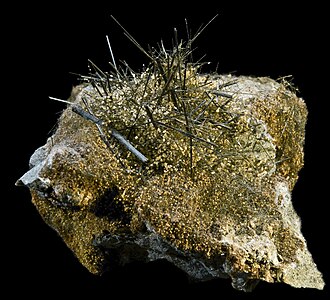
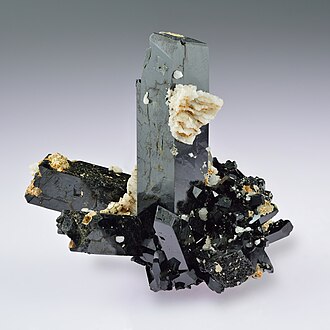
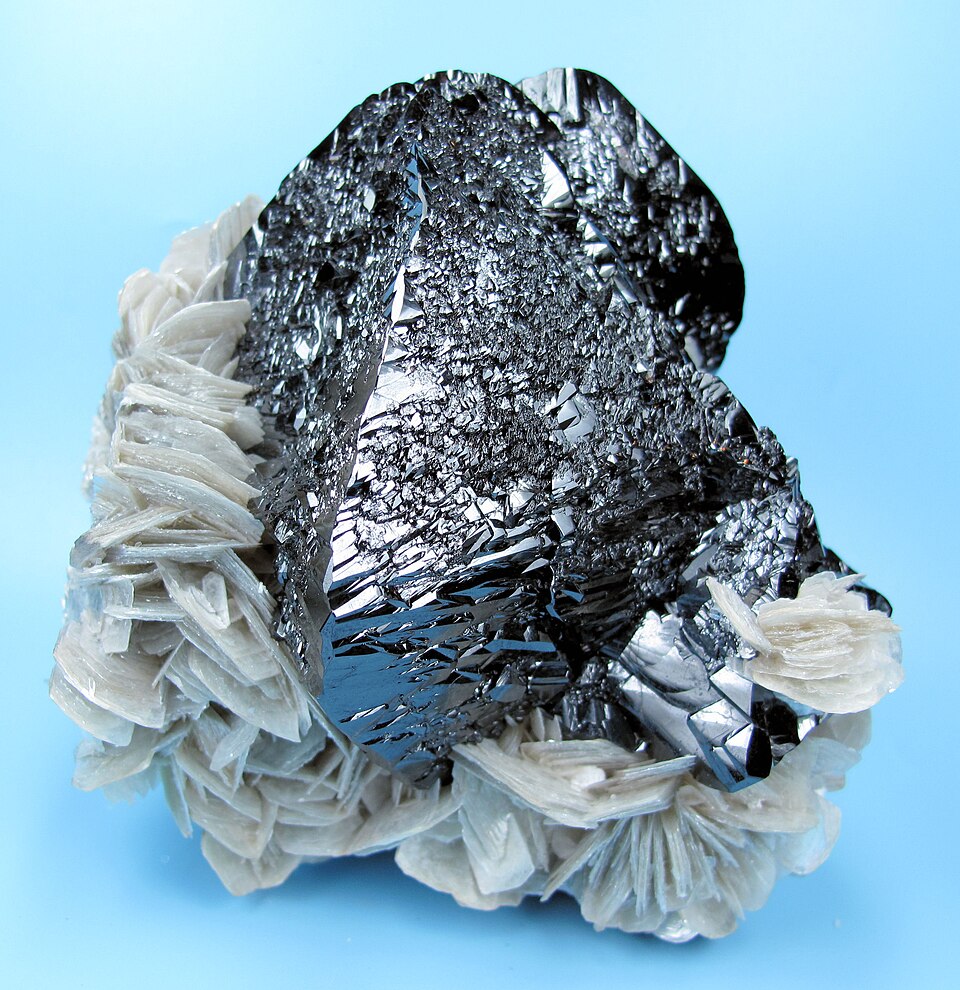
Cassiterite is tin oxide, SnO2, and has been the principal ore of tin since the Bronze Age. It crystallizes in the tetragonal system, typically as reddish-brown to black prismatic or pyramidal crystals with an adamantine luster and exceptionally high density for a nonmetallic-looking mineral. Its resistance to weathering means it survives erosion intact and concentrates in stream gravels as placer tin.
Cassiterite properties at a glance
| Type | Minerals |
|---|---|
| Chemical formula | SnO2 |
| Mohs hardness | 6–7 |
| Crystal system | Tetragonal |
| Luster | Adamantine to submetallic |
| Streak | White to grayish brown |
| Cleavage | Imperfect prismatic |
| Fracture | Conchoidal to uneven |
| Specific gravity | 6.8–7.1 |
| Transparency | Translucent to opaque |
| Common colors | Brown, Black, Reddish brown, Yellow, Gray |
| Rarity | common |
Geology & background
Cassiterite crystallizes at high temperatures in granite-related hydrothermal veins and greisen zones, and in tin-bearing granitic pegmatites, where tin-rich fluids react with surrounding rock late in the cooling of a magma. Because it resists chemical breakdown and has a specific gravity near 7, weathered crystals wash into rivers and accumulate as dense placer deposits, historically the easiest way to mine the metal. Cornwall in England, the Bolivian tin belt, and the granite-hosted deposits of Malaysia and Indonesia supplied most of the world's tin for centuries. Twinned crystals, called visor twins or knee twins, are common and distinctive, forming V-shaped or elbow-shaped pairs. Collectors value sharp, lustrous crystals from classic localities, and cassiterite's combination of high density and hardness sets it apart from most other dark minerals found in the same veins.
How to identify Cassiterite
Cassiterite shows reddish-brown, black, or occasionally yellow prismatic to pyramidal crystals with an adamantine to submetallic luster, quite unlike a typical dull ore mineral. Streak is white to pale brown, hardness is 6 to 7, and there is no cleavage of note, only an uneven to subconchoidal fracture. Its unusually high heft for a nonmetallic-looking mineral is a strong field clue, and elbow-shaped twin crystals are common. It can resemble tourmaline or sphalerite, but neither matches its density.
- Compare the specimen's color, luster, crystal habit, grain size, streak, and locality before confirming.
- Use multiple photos when possible, including a fresh surface and a close view of texture.
Full Cassiterite identification guide: checklist, home tests and look-alikes →
Cassiterite vs similar stones
Not sure it isn't something else? Side-by-side comparisons with the stones most often confused with Cassiterite.
Where Cassiterite is found
Reported from multiple localities worldwide; verify locality against specimen provenance when available.
How much is Cassiterite worth?
| Entry-level specimen | $2 |
|---|---|
| Typical collector specimen | $20 |
| Premium specimen | $150+ |
Value depends on size, crystal quality, color, locality, rarity, damage, and provenance.
Common uses
- Collector specimens
- Education
- Field identification
- Industrial or lapidary use when suitable
Interesting facts
- Cassiterite was the main source of tin during the Bronze Age, and ancient trade routes for it stretched from Cornwall to the Mediterranean.
- Its distinctive elbow-shaped twin crystals, called visor twins, form when two crystals grow together at a sharp angle during crystallization.
- Despite its metallic appearance, cassiterite is dense enough that miners historically panned it out of river gravel much like gold.
Care & safety
Handle as a collector specimen until hardness, cleavage, and fracture are verified.
Avoid inhaling dust. Do not cut, grind, or polish unknown specimens without eye protection and a proper respirator.
Cassiterite FAQ
What is Cassiterite?
Cassiterite is tin oxide, SnO2, and has been the principal ore of tin since the Bronze Age. It crystallizes in the tetragonal system, typically as reddish-brown to black prismatic or pyramidal crystals with an adamantine luster and exceptionally high density for a nonmetallic-looking mineral. Its resistance to weathering means it survives erosion intact and concentrates in stream gravels as placer tin.
How much is Cassiterite worth?
Entry-level Cassiterite specimens sell for around $2, a typical collector specimen for about $20, and premium pieces for $150 or more. Value depends on size, crystal quality, color, locality, rarity, damage, and provenance.
How hard is Cassiterite?
Cassiterite has a Mohs hardness of 6–7. It scratches glass and a steel knife and cannot be scratched by a steel file.
What is Cassiterite used for?
Cassiterite is used for collector specimens, education, field identification, and industrial or lapidary use when suitable.