Minerals · common
Cobaltite
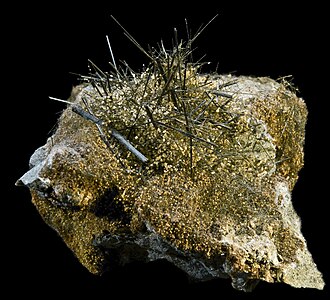
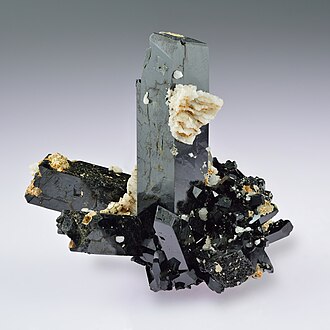
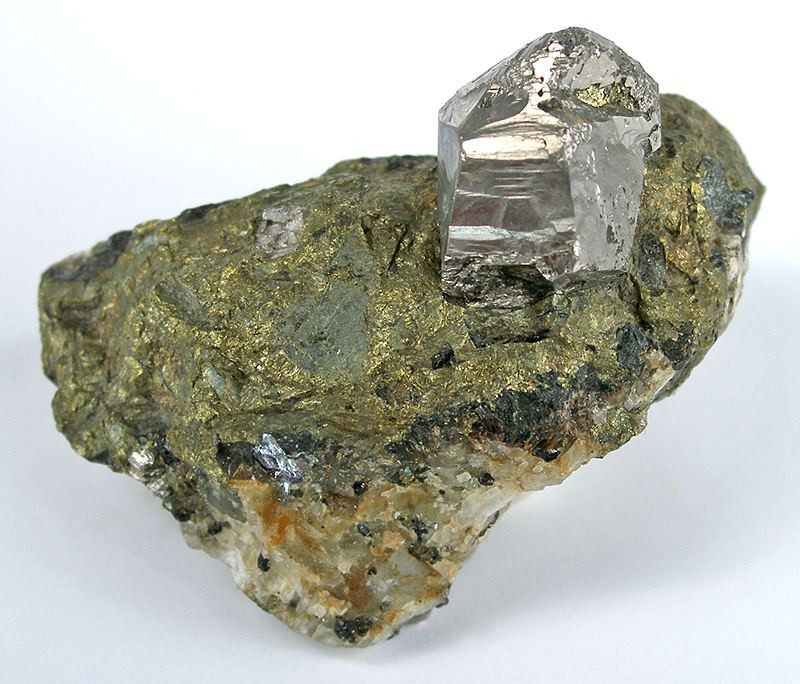
Cobaltite is cobalt arsenic sulfide, CoAsS, a minor but historically significant ore of cobalt. It crystallizes in the orthorhombic system with a pseudo-cubic habit, forming silvery white to steel-gray crystals with a faint pinkish tint and a bright metallic luster. It typically occurs in high-temperature hydrothermal veins and contact metamorphic deposits alongside other cobalt and nickel minerals.
Cobaltite properties at a glance
| Type | Minerals |
|---|---|
| Chemical formula | CoAsS |
| Mohs hardness | 5.5 |
| Crystal system | Orthorhombic (pseudo-cubic) |
| Luster | Metallic |
| Streak | Grayish black |
| Cleavage | Perfect cubic, three directions |
| Fracture | Uneven |
| Specific gravity | 6.0–6.3 |
| Transparency | Opaque |
| Common colors | Silvery white with pink/reddish tint, Steel gray |
| Rarity | common |
Geology & background
Cobaltite forms in high-temperature hydrothermal and metasomatic settings, often where mineralizing fluids interacted with iron-rich host rocks near granite intrusions, producing veins enriched in cobalt, nickel, and arsenic. Classic localities include Skutterud in Norway, which also lent its name to the related mineral skutterudite, and the Bou Azzer district of Morocco, now one of the world's most productive sources of well-formed cobaltite crystals. Historically, cobaltite and related cobalt arsenides were the principal source of cobalt blue pigment used in glass and ceramics long before cobalt's importance in modern batteries was recognized.
Collectors value sharp cube-like crystals with cobaltite's subtle pink-tinged luster, a feature that helps separate fine specimens from the more common massive material found in most vein deposits. Because arsenic-bearing dust can pose a health hazard, specimens are generally safe to display but should not be cut, crushed, or handled carelessly.
How to identify Cobaltite
Cobaltite typically forms crystals that look cubic at a glance but actually belong to the orthorhombic system, with faces sometimes showing fine striations that reveal the lower symmetry. Its color is silvery white to gray with a distinctive pinkish cast, its luster is metallic, and its streak is grayish black. Hardness of 5.5 helps distinguish it from softer sulfides, while its arsenic content gives a faint garlic odor when freshly broken or struck, a classic field test shared with arsenopyrite, which cobaltite otherwise closely resembles.
- Compare the specimen's color, luster, crystal habit, grain size, streak, and locality before confirming.
- Use multiple photos when possible, including a fresh surface and a close view of texture.
Full Cobaltite identification guide: checklist, home tests and look-alikes →
Cobaltite vs similar stones
Not sure it isn't something else? Side-by-side comparisons with the stones most often confused with Cobaltite.
Where Cobaltite is found
Reported from multiple localities worldwide; verify locality against specimen provenance when available.
How much is Cobaltite worth?
| Entry-level specimen | $2 |
|---|---|
| Typical collector specimen | $20 |
| Premium specimen | $150+ |
Value depends on size, crystal quality, color, locality, rarity, damage, and provenance.
Common uses
- Collector specimens
- Education
- Field identification
- Industrial or lapidary use when suitable
Interesting facts
- Freshly broken cobaltite can give off a faint garlic-like odor because of its arsenic content, a classic mineralogist's field test.
- Cobalt arsenide minerals like cobaltite were the main source of the deep blue pigment used in old European glass and porcelain.
- The Bou Azzer district of Morocco has become the world's leading modern source of sharp, well-formed cobaltite crystals.
Care & safety
Handle as a collector specimen until hardness, cleavage, and fracture are verified.
Avoid inhaling dust. Do not cut, grind, or polish unknown specimens without eye protection and a proper respirator.
Cobaltite FAQ
What is Cobaltite?
Cobaltite is cobalt arsenic sulfide, CoAsS, a minor but historically significant ore of cobalt. It crystallizes in the orthorhombic system with a pseudo-cubic habit, forming silvery white to steel-gray crystals with a faint pinkish tint and a bright metallic luster. It typically occurs in high-temperature hydrothermal veins and contact metamorphic deposits alongside other cobalt and nickel minerals.
How much is Cobaltite worth?
Entry-level Cobaltite specimens sell for around $2, a typical collector specimen for about $20, and premium pieces for $150 or more. Value depends on size, crystal quality, color, locality, rarity, damage, and provenance.
How hard is Cobaltite?
Cobaltite has a Mohs hardness of 5.5. It is about as hard as window glass: a knife barely marks it, while a steel file (Mohs 6.5) will.
What is Cobaltite used for?
Cobaltite is used for collector specimens, education, field identification, and industrial or lapidary use when suitable.