Igneous Rocks · common
Diabase
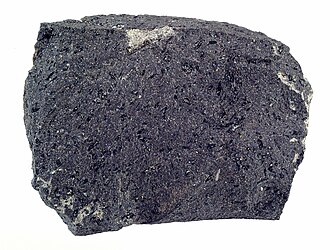
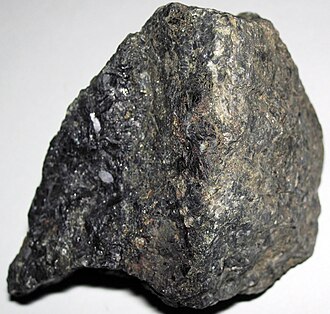
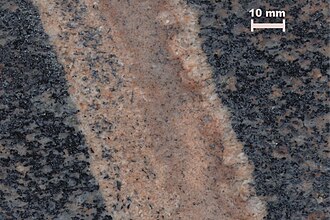
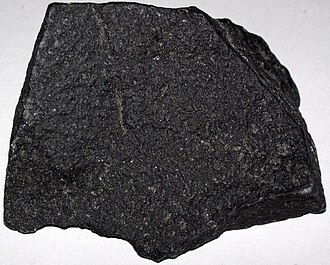
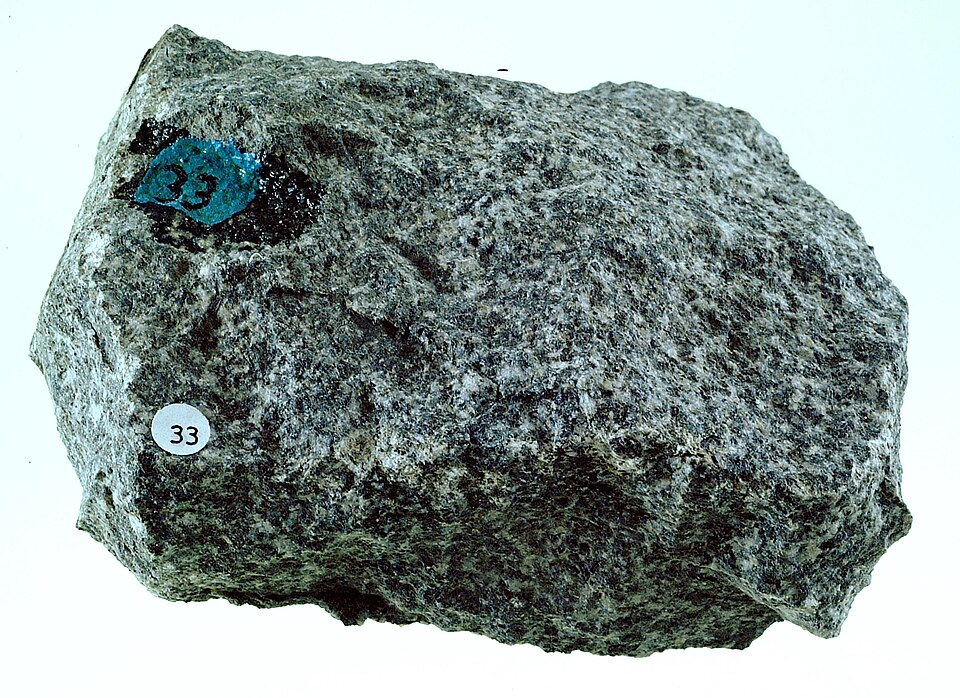
Diabase is a dark, medium-grained mafic igneous rock, also called dolerite in many regions. It commonly forms in dikes and sills and sits texturally between basalt and gabbro.
Also known as: Dolerite, Dolerite rock, Diabase dike, Mafic dike rock.
Diabase properties at a glance
| Type | Igneous Rocks |
|---|---|
| Chemical formula | Variable mineral composition |
| Mohs hardness | 6 |
| Luster | varies |
| Streak | Variable; test individual minerals |
| Cleavage | Variable by mineral grains |
| Fracture | Uneven to granular |
| Specific gravity | 2.8 |
| Transparency | opaque |
| Common colors | Various |
| Rarity | common |
Geology & background
Forms from molten rock as magma or lava cools and crystallizes.
Diabase helps geologists interpret the environment and processes that formed a landscape.
How to identify Diabase
- Look for dark, dense, medium-grained igneous texture.
- Diabase is also commonly called dolerite outside North America.
- It is usually coarser than basalt and finer than gabbro.
- Compare the specimen's color, luster, crystal habit, grain size, streak, and locality before confirming.
- Use multiple photos when possible, including a fresh surface and a close view of texture.
Full Diabase identification guide: checklist, home tests and look-alikes →
Diabase vs similar stones
Not sure it isn't something else? Side-by-side comparisons with the stones most often confused with Diabase.
Where Diabase is found
Reported from multiple localities worldwide; verify locality against specimen provenance when available.
How much is Diabase worth?
| Entry-level specimen | $1 |
|---|---|
| Typical collector specimen | $10 |
| Premium specimen | $75+ |
Value depends on size, crystal quality, color, locality, rarity, damage, and provenance.
Common uses
- Field identification
- Construction or aggregate when suitable
- Landscape interpretation
- Education
Interesting facts
- Diabase is useful for field identification because texture, color, luster, and context can narrow the match.
- Specimens labeled Diabase can vary by locality, weathering, impurities, and crystal or grain size.
- A fresh surface and multiple photos usually improve identification confidence.
Care & safety
Handle as a collector specimen until hardness, cleavage, and fracture are verified.
Avoid inhaling dust. Do not cut, grind, or polish unknown specimens without eye protection and a proper respirator.
Diabase FAQ
What is Diabase?
Diabase is a dark, medium-grained mafic igneous rock, also called dolerite in many regions. It commonly forms in dikes and sills and sits texturally between basalt and gabbro.
How much is Diabase worth?
Entry-level Diabase specimens sell for around $1, a typical collector specimen for about $10, and premium pieces for $75 or more. Value depends on size, crystal quality, color, locality, rarity, damage, and provenance.
How hard is Diabase?
Diabase has a Mohs hardness of 6. It is about as hard as window glass: a knife barely marks it, while a steel file (Mohs 6.5) will.
What is Diabase used for?
Diabase is used for field identification, construction or aggregate when suitable, landscape interpretation, and education.