Minerals · common
Erythrite
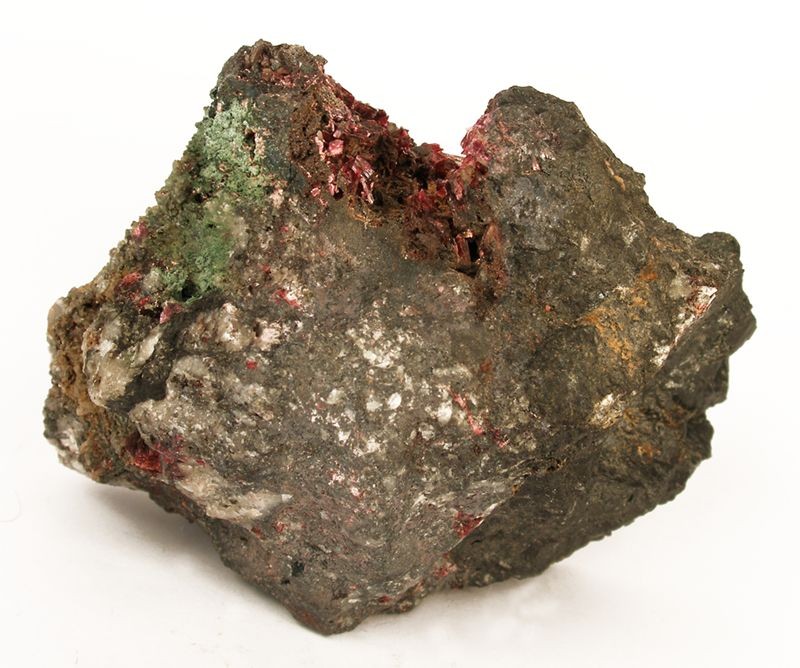
Erythrite is a hydrous cobalt arsenate, Co3(AsO4)2 8H2O, crystallizing in the monoclinic system with a vivid pink to crimson color that made it a prized prospecting clue. Long nicknamed cobalt bloom or cobalt flower, it forms as a secondary mineral where cobalt-bearing ores have been exposed to oxidizing, weathering conditions. Its bright coloring and soft, often earthy texture make it easy to spot even in small amounts.
Erythrite properties at a glance
| Type | Minerals |
|---|---|
| Chemical formula | Co3(AsO4)2·8H2O |
| Mohs hardness | 1.5–2.5 |
| Crystal system | Monoclinic |
| Luster | Vitreous, pearly on cleavage, silky |
| Streak | Pale pink to pale red |
| Cleavage | Perfect, one direction |
| Fracture | Sectile |
| Specific gravity | 3.06–3.18 |
| Transparency | Transparent to translucent |
| Common colors | Pink, Crimson red, Purple-red |
| Rarity | common |
Geology & background
Erythrite forms through the oxidation and weathering of primary cobalt-arsenic minerals such as cobaltite and skutterudite, with dissolved cobalt and arsenic recombining near the surface to precipitate this soft, pink secondary mineral as coatings, crusts, or radiating crystal sprays. Historically, prospectors searching for silver and cobalt-nickel ore veins used patches of erythrite's telltale pink stain on rock surfaces as a direct visual guide to buried sulfide and arsenide deposits, a practice especially well documented in Cobalt, Ontario, a town literally named for the mineral wealth found there. Morocco's Bou Azzer district remains a leading modern source of fine erythrite specimens, often found alongside cobaltite in the same veins.
Collectors should handle erythrite carefully since its arsenic content, while stable in the mineral itself, warrants normal caution and hand-washing after handling specimens.
How to identify Erythrite
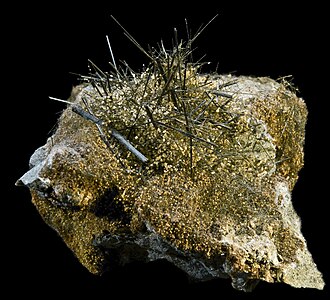
Erythrite is identified almost entirely by its striking pink to purplish-red color, occurring as earthy crusts, radiating needle-like crystals, or small crystalline sprays with a pearly to vitreous luster and a paler pink streak. Its hardness of 1.5 to 2.5 makes it soft enough to scratch with a fingernail in its earthy form, and it is typically found as a thin surface coating rather than large crystals. Its color alone, distinct from nearly every other common secondary mineral, generally prevents confusion with anything except its nickel-bearing chemical cousin, annabergite, which is green rather than pink.
- Compare the specimen's color, luster, crystal habit, grain size, streak, and locality before confirming.
- Use multiple photos when possible, including a fresh surface and a close view of texture.
Full Erythrite identification guide: checklist, home tests and look-alikes →
Erythrite vs similar stones
Not sure it isn't something else? Side-by-side comparisons with the stones most often confused with Erythrite.
Where Erythrite is found
Reported from multiple localities worldwide; verify locality against specimen provenance when available.
How much is Erythrite worth?
| Entry-level specimen | $2 |
|---|---|
| Typical collector specimen | $20 |
| Premium specimen | $150+ |
Value depends on size, crystal quality, color, locality, rarity, damage, and provenance.
Common uses
- Collector specimens
- Education
- Field identification
- Industrial or lapidary use when suitable
Interesting facts
- Erythrite's nickname, cobalt bloom, comes from its habit of forming pink crusty stains that prospectors used to locate hidden ore veins.
- The Ontario mining town of Cobalt takes its name directly from erythrite and other cobalt minerals found in the area.
- Erythrite's chemical twin, the green mineral annabergite, forms the same way but from nickel-arsenic ores instead of cobalt ones.
Care & safety
Handle as a collector specimen until hardness, cleavage, and fracture are verified.
Avoid inhaling dust. Do not cut, grind, or polish unknown specimens without eye protection and a proper respirator.
Erythrite FAQ
What is Erythrite?
Erythrite is a hydrous cobalt arsenate, Co3(AsO4)2 8H2O, crystallizing in the monoclinic system with a vivid pink to crimson color that made it a prized prospecting clue. Long nicknamed cobalt bloom or cobalt flower, it forms as a secondary mineral where cobalt-bearing ores have been exposed to oxidizing, weathering conditions. Its bright coloring and soft, often earthy texture make it easy to spot even in small amounts.
How much is Erythrite worth?
Entry-level Erythrite specimens sell for around $2, a typical collector specimen for about $20, and premium pieces for $150 or more. Value depends on size, crystal quality, color, locality, rarity, damage, and provenance.
How hard is Erythrite?
Erythrite has a Mohs hardness of 1.5–2.5. A fingernail (Mohs 2.5) scratches it easily.
What is Erythrite used for?
Erythrite is used for collector specimens, education, field identification, and industrial or lapidary use when suitable.