Sedimentary Rocks · common
Evaporite
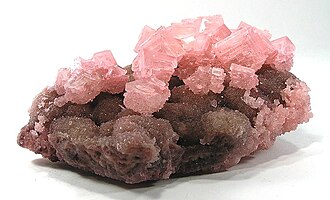
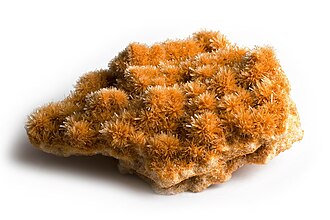
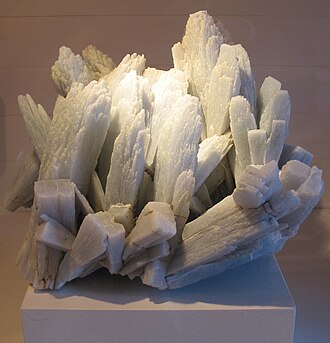
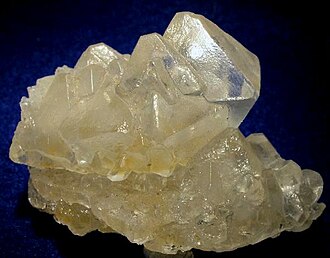
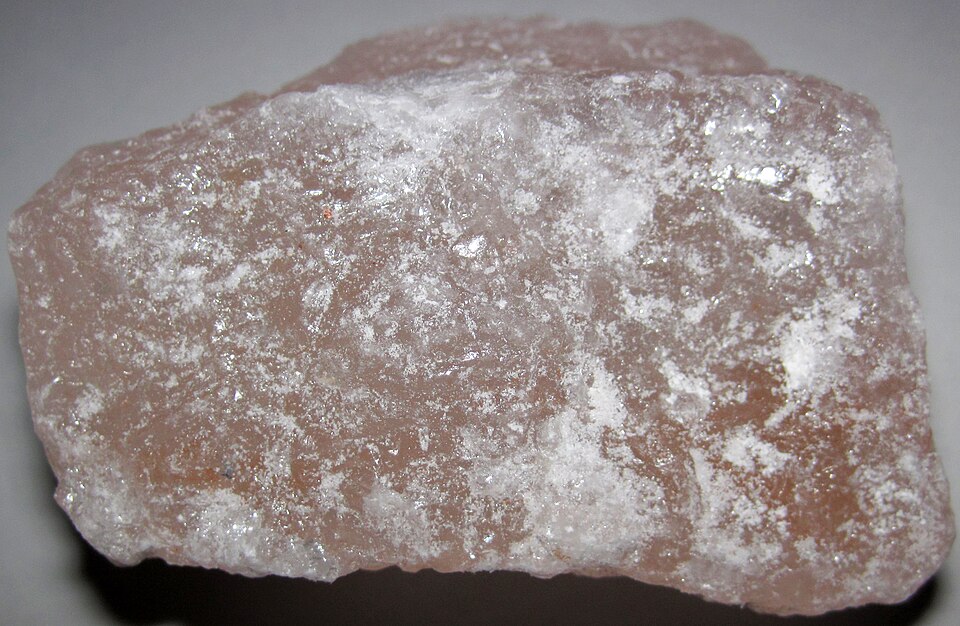
Evaporite is a sedimentary rock or deposit formed by evaporation of mineral-rich water, commonly containing rock salt, gypsum, or anhydrite.
Also known as: Evaporite deposit, Salt deposit, Gypsum evaporite.
Evaporite properties at a glance
| Type | Sedimentary Rocks |
|---|---|
| Chemical formula | Halite, gypsum, anhydrite, or mixed evaporite minerals |
| Mohs hardness | 2.5 |
| Luster | dull |
| Streak | White |
| Cleavage | Variable by mineral grains |
| Fracture | Uneven to crystalline |
| Specific gravity | 2.2 |
| Transparency | opaque |
| Common colors | White, Clear, Pink, Gray, Tan |
| Rarity | common |
Geology & background
Forms when saline water evaporates and dissolved minerals such as halite, gypsum, or anhydrite precipitate.
Evaporite deposits have supplied salt, gypsum, potash, and other industrial materials for centuries.
How to identify Evaporite
- Look for pale, crystalline, sugary, or layered material associated with salt or gypsum minerals.
- Rock salt may be translucent and can dissolve readily in water.
- Gypsum-rich evaporites are softer and may show satin or crystalline surfaces.
- Do not taste unknown specimens; use safer tests and provenance instead.
Full Evaporite identification guide: checklist, home tests and look-alikes →
Evaporite vs similar stones
Not sure it isn't something else? Side-by-side comparisons with the stones most often confused with Evaporite.
Where Evaporite is found
Evaporite occurs in many sedimentary settings worldwide; exact locality should be verified from field notes, maps, or specimen provenance.
How much is Evaporite worth?
| Entry-level specimen | $1 |
|---|---|
| Typical collector specimen | $10 |
| Premium specimen | $75+ |
Evaporite is usually valued for teaching, field context, locality, texture, fossils, color, or unusual structures rather than high gem value.
Common uses
- Salt and potash resources
- Gypsum products
- Field identification
- Education
- Depositional environment study
Interesting facts
- Rock salt and gypsum beds are common evaporites.
- Evaporites can preserve evidence of ancient restricted seas, lakes, and dry climates.
- Some evaporite minerals dissolve easily in water.
Care & safety
Evaporites can be soft or water-soluble, especially halite-rich specimens.
Avoid inhaling dust. Do not cut, grind, or polish unknown sedimentary rocks without eye protection and a properly rated respirator.
Evaporite FAQ
What is Evaporite?
Evaporite is a sedimentary rock or deposit formed by evaporation of mineral-rich water, commonly containing rock salt, gypsum, or anhydrite.
How much is Evaporite worth?
Entry-level Evaporite specimens sell for around $1, a typical collector specimen for about $10, and premium pieces for $75 or more. Evaporite is usually valued for teaching, field context, locality, texture, fossils, color, or unusual structures rather than high gem value.
How hard is Evaporite?
Evaporite has a Mohs hardness of 2.5. A copper coin (Mohs 3.5) scratches it, but a fingernail does not.
What is Evaporite used for?
Evaporite is used for salt and potash resources, gypsum products, field identification, education, and depositional environment study.