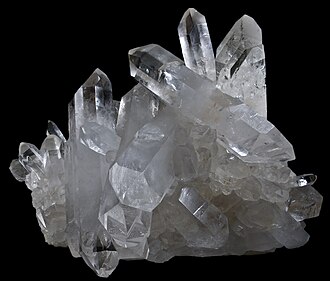
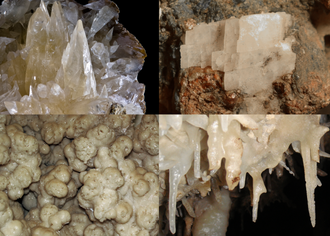
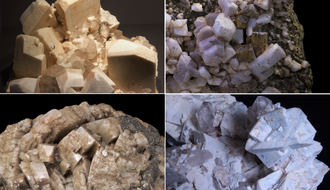
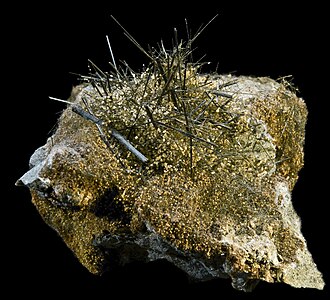
Minerals · common
Gibbsite
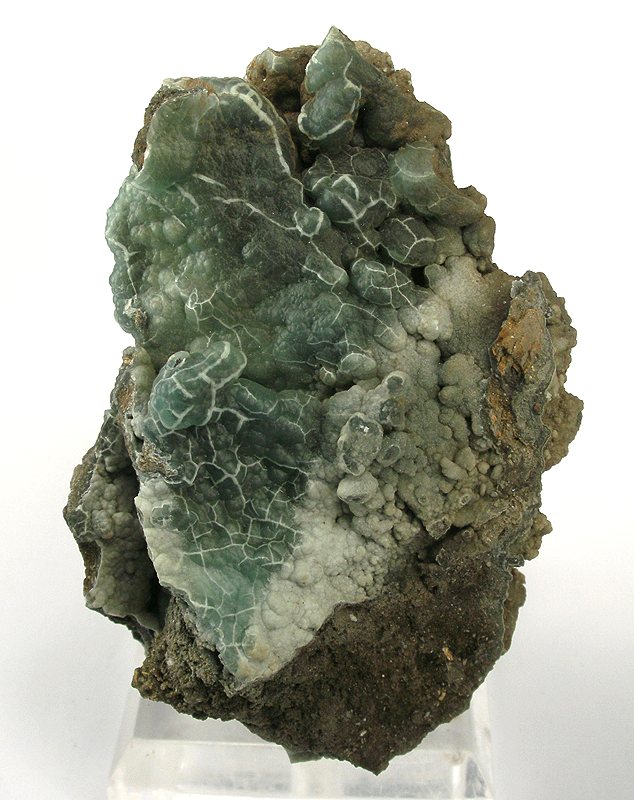
Gibbsite is aluminum hydroxide, Al(OH)3, a soft, typically white to gray mineral that forms as a weathering product in tropical and subtropical soils and serves as the principal ore mineral of aluminum within bauxite deposits. It commonly occurs as fine-grained, earthy masses or crusts rather than well-formed crystals, though occasional tabular pseudohexagonal crystals do develop in cavities. It is named after American mineral collector George Gibbs, whose collection helped found early American mineralogy.
Gibbsite properties at a glance
| Type | Minerals |
|---|---|
| Chemical formula | Al(OH)3 |
| Mohs hardness | 2.5–3.5 |
| Crystal system | Monoclinic |
| Luster | Vitreous, pearly on cleavage, dull when earthy |
| Streak | White |
| Cleavage | Perfect basal {001} |
| Fracture | Uneven |
| Specific gravity | 2.3–2.4 |
| Transparency | Transparent to translucent |
| Common colors | White, Gray, Greenish, Reddish |
| Rarity | common |
Geology & background
Gibbsite forms through intense chemical weathering of aluminosilicate rocks, particularly in humid tropical climates where heavy rainfall leaches out silica and other elements faster than aluminum, concentrating it into laterite and bauxite deposits. Major bauxite-producing regions rich in gibbsite include Jamaica, Australia's Weipa and Darling Range districts, and parts of West Africa and Brazil, where deep lateritic weathering profiles have developed over millions of years. It also occurs as a secondary mineral in hydrothermal veins and pegmatite cavities, though this occurrence is far less economically important than the bauxite form.
Rockhounds rarely seek gibbsite for crystal beauty, since it is typically massive, chalky, or earthy, but well-formed pseudohexagonal plates from certain pegmatites do attract specialist collectors. Its overwhelming importance lies in industry, since gibbsite-rich bauxite gets refined through the Bayer process into alumina, the raw material for aluminum metal. Anyone examining tropical soil profiles or lateritic weathering zones is likely encountering gibbsite even without recognizing it as a distinct mineral.
How to identify Gibbsite
Gibbsite is usually white, gray, or pale green to pale yellow with a dull to pearly luster and a white streak, occurring most often as earthy, chalky, or stalactitic masses rather than distinct crystals. Hardness is low, around 2.5 to 3.5, easily scratched with a fingernail or copper coin, and it shows perfect cleavage on the rare crystal faces that do form. When crystals appear, they are thin, tabular, and pseudohexagonal. Massive gibbsite is easily confused with other clay-like aluminum or iron hydroxide minerals such as boehmite or goethite without laboratory testing.
- Compare the specimen's color, luster, crystal habit, grain size, streak, and locality before confirming.
- Use multiple photos when possible, including a fresh surface and a close view of texture.
Full Gibbsite identification guide: checklist, home tests and look-alikes →
Gibbsite vs similar stones
Not sure it isn't something else? Side-by-side comparisons with the stones most often confused with Gibbsite.
Where Gibbsite is found
Reported from multiple localities worldwide; verify locality against specimen provenance when available.
How much is Gibbsite worth?
| Entry-level specimen | $2 |
|---|---|
| Typical collector specimen | $20 |
| Premium specimen | $150+ |
Value depends on size, crystal quality, color, locality, rarity, damage, and provenance.
Common uses
- Collector specimens
- Education
- Field identification
- Industrial or lapidary use when suitable
Interesting facts
- Gibbsite is the primary aluminum-bearing mineral refined into alumina and eventually aluminum metal through the industrial Bayer process.
- The mineral honors George Gibbs, an early American mineral collector whose specimens helped establish mineralogy as a serious science in the United States.
- Vast quantities of gibbsite form silently in tropical soils today, a slow weathering process that has been building bauxite deposits for millions of years.
Care & safety
Handle as a collector specimen until hardness, cleavage, and fracture are verified.
Avoid inhaling dust. Do not cut, grind, or polish unknown specimens without eye protection and a proper respirator.
Gibbsite FAQ
What is Gibbsite?
Gibbsite is aluminum hydroxide, Al(OH)3, a soft, typically white to gray mineral that forms as a weathering product in tropical and subtropical soils and serves as the principal ore mineral of aluminum within bauxite deposits. It commonly occurs as fine-grained, earthy masses or crusts rather than well-formed crystals, though occasional tabular pseudohexagonal crystals do develop in cavities. It is named after American mineral collector George Gibbs, whose collection helped found early American mineralogy.
How much is Gibbsite worth?
Entry-level Gibbsite specimens sell for around $2, a typical collector specimen for about $20, and premium pieces for $150 or more. Value depends on size, crystal quality, color, locality, rarity, damage, and provenance.
How hard is Gibbsite?
Gibbsite has a Mohs hardness of 2.5–3.5. A copper coin (Mohs 3.5) scratches it, but a fingernail does not.
What is Gibbsite used for?
Gibbsite is used for collector specimens, education, field identification, and industrial or lapidary use when suitable.