Silicate Minerals · uncommon
Pyrope
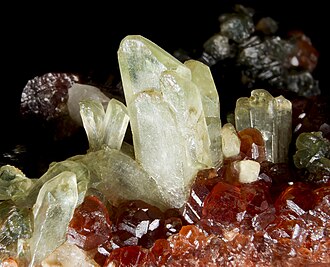
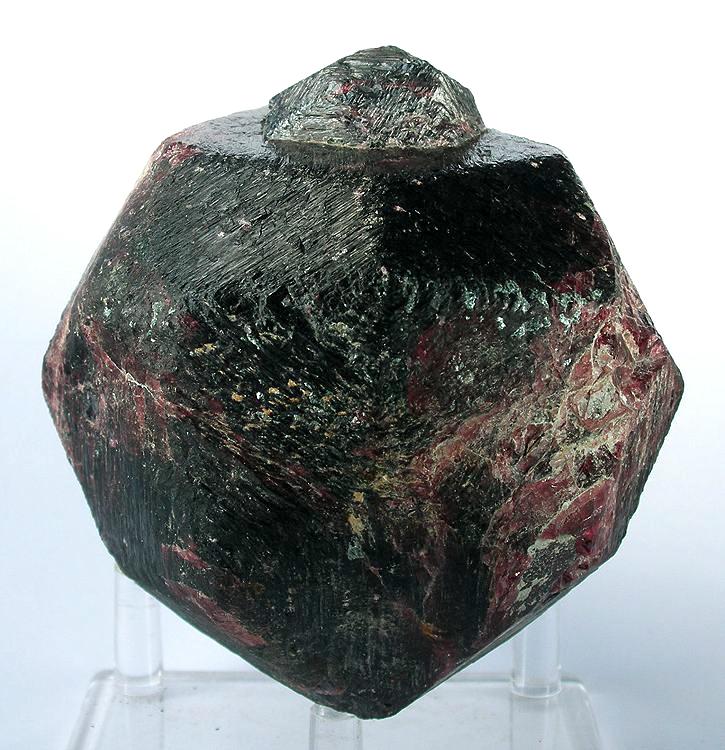
Pyrope is the deep red, magnesium aluminum member of the garnet group, transparent and glassy with a hardness that suits it well to jewelry. Its rich color and brilliance have made it a classic red gemstone.
Also known as: Bohemian garnet, Cape ruby.
Pyrope properties at a glance
| Type | Silicate Minerals |
|---|---|
| Chemical formula | Mg3Al2(SiO4)3 |
| Mohs hardness | 7.25 |
| Crystal system | cubic |
| Luster | vitreous |
| Streak | White |
| Cleavage | None |
| Fracture | Conchoidal |
| Specific gravity | 3.58 |
| Transparency | transparent |
| Common colors | Red, Deep red, Purplish red, Orange-red |
| Rarity | uncommon |
Geology & background
Pyrope is a magnesium-rich garnet that crystallizes at high pressure in the deep mantle and in metamorphic rocks such as peridotite and eclogite, often reaching the surface in volcanic and glacial debris.
Pyrope has been used as a red gemstone since antiquity and rose to fame as Bohemian garnet, which adorned a great deal of jewelry across Europe in the eighteenth and nineteenth centuries.
How to identify Pyrope
- Look for deep red, transparent crystals with a glassy luster and no cleavage.
- Pyrope is hard and forms rounded, well-shaped equant garnet crystals.
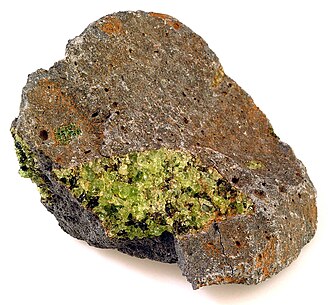
- It occurs in peridotite and eclogite with olivine and diopside, which helps confirm identification.
Full Pyrope identification guide: checklist, home tests and look-alikes →
Pyrope vs similar stones
Not sure it isn't something else? Side-by-side comparisons with the stones most often confused with Pyrope.
Where Pyrope is found
Pyrope occurs in mantle-derived and metamorphic rocks worldwide, with notable specimen localities in the Czech Republic, South Africa, the United States, Tanzania, Australia, and Russia.
How much is Pyrope worth?
| Entry-level specimen | $15 |
|---|---|
| Typical collector specimen | $120 |
| Premium specimen | $800+ |
Value depends on color, clarity, cut, size, locality, and overall condition.
Common uses
- Faceted gemstones
- Jewelry
- Beads and ornamental objects
- Indicator mineral in diamond exploration
- Collector specimens
Interesting facts
- The name pyrope comes from a Greek word meaning fire-eyed, describing its deep red glow.
- Bohemian garnet jewelry, popular in the nineteenth century, was made from Czech pyrope.
- Pyrope often forms deep in the mantle and can be carried up alongside diamonds.
- Pure pyrope is rare in nature, and most red garnets are blends of pyrope with other garnet types.
Care & safety
Pyrope is hard and lacks cleavage, making it durable, though hard knocks can chip it.
Avoid inhaling dust. Do not cut, grind, or polish unknown specimens without eye protection and a proper respirator.
Pyrope FAQ
What is Pyrope?
Pyrope is the deep red, magnesium aluminum member of the garnet group, transparent and glassy with a hardness that suits it well to jewelry. Its rich color and brilliance have made it a classic red gemstone.
How much is Pyrope worth?
Entry-level Pyrope specimens sell for around $15, a typical collector specimen for about $120, and premium pieces for $800 or more. Value depends on color, clarity, cut, size, locality, and overall condition.
How hard is Pyrope?
Pyrope has a Mohs hardness of 7.25. It scratches glass and a steel knife and cannot be scratched by a steel file.
Where is Pyrope found?
Notable sources of Pyrope include Czech Republic, South Africa, United States, Tanzania, Australia, and Russia. Pyrope is a magnesium-rich garnet that crystallizes at high pressure in the deep mantle and in metamorphic rocks such as peridotite and eclogite, often reaching the surface in volcanic and glacial debris..
What is Pyrope used for?
Pyrope is used for faceted gemstones, jewelry, beads and ornamental objects, indicator mineral in diamond exploration, and collector specimens.