Sedimentary Rocks · common
Rock Salt
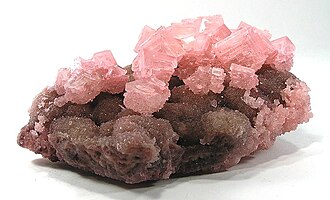
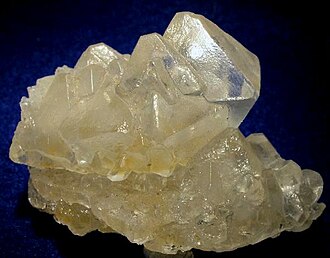
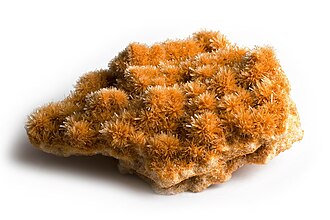
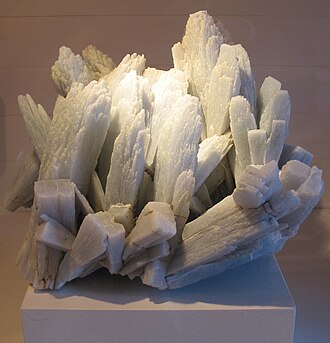
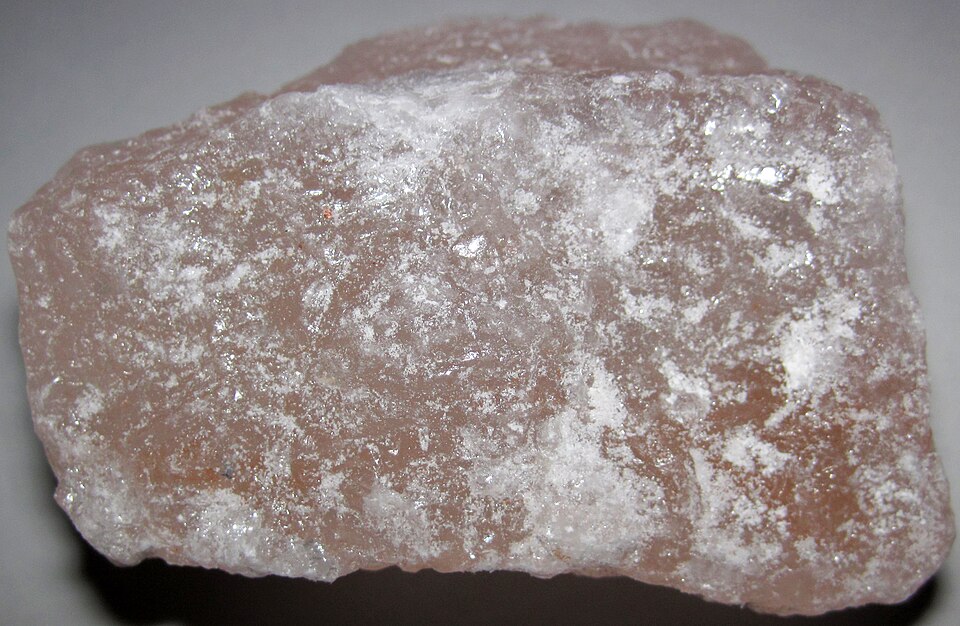
Rock Salt is the sedimentary rock form of halite, commonly appearing as clear, white, pink, orange, or gray crystalline salt.
Also known as: Halitite, Halite rock, Salt rock.
Rock Salt properties at a glance
| Type | Sedimentary Rocks |
|---|---|
| Chemical formula | NaCl |
| Mohs hardness | 2.5 |
| Luster | vitreous |
| Streak | White |
| Cleavage | Variable by mineral grains |
| Fracture | Conchoidal to uneven |
| Specific gravity | 2.17 |
| Transparency | opaque |
| Common colors | Clear, White, Pink, Orange, Gray |
| Rarity | common |
Geology & background
Forms when saline water evaporates and halite crystallizes into bedded salt deposits.
Rock salt deposits have been mined for food preservation, trade, industry, and road deicing for centuries.
How to identify Rock Salt
- Look for clear, white, pink, orange, or gray crystalline masses.
- Rock salt is soft and water-soluble.
- Cubic cleavage or blocky crystal surfaces may be visible.
- Do not taste unknown specimens; rely on safer visual and provenance clues.
Full Rock Salt identification guide: checklist, home tests and look-alikes →
Rock Salt vs similar stones
Not sure it isn't something else? Side-by-side comparisons with the stones most often confused with Rock Salt.
Where Rock Salt is found
Rock Salt occurs in many sedimentary settings worldwide; exact locality should be verified from field notes, maps, or specimen provenance.
How much is Rock Salt worth?
| Entry-level specimen | $1 |
|---|---|
| Typical collector specimen | $10 |
| Premium specimen | $75+ |
Rock Salt is usually valued for teaching, field context, locality, texture, fossils, color, or unusual structures rather than high gem value.
Common uses
- Salt production
- Education
- Field identification
- Industrial uses
- Deicing
Interesting facts
- Rock salt is also called halitite.
- It can dissolve readily in water and should be kept dry.
- Color often comes from impurities, fluid inclusions, or tiny mineral particles.
Care & safety
Rock salt is soft and dissolves in water, so humidity and water exposure can damage it.
Avoid inhaling dust. Do not cut, grind, or polish unknown sedimentary rocks without eye protection and a properly rated respirator.
Rock Salt FAQ
What is Rock Salt?
Rock Salt is the sedimentary rock form of halite, commonly appearing as clear, white, pink, orange, or gray crystalline salt.
How much is Rock Salt worth?
Entry-level Rock Salt specimens sell for around $1, a typical collector specimen for about $10, and premium pieces for $75 or more. Rock Salt is usually valued for teaching, field context, locality, texture, fossils, color, or unusual structures rather than high gem value.
How hard is Rock Salt?
Rock Salt has a Mohs hardness of 2.5. A copper coin (Mohs 3.5) scratches it, but a fingernail does not.
What is Rock Salt used for?
Rock Salt is used for salt production, education, field identification, industrial uses, and deicing.