Minerals · common
Satin Spar
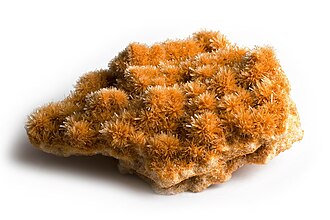
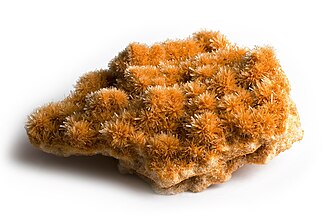
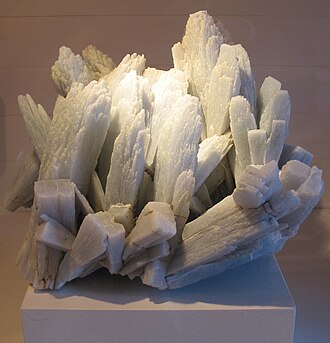
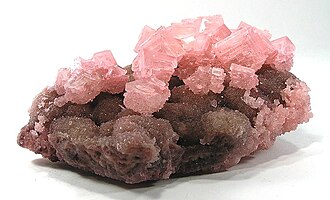
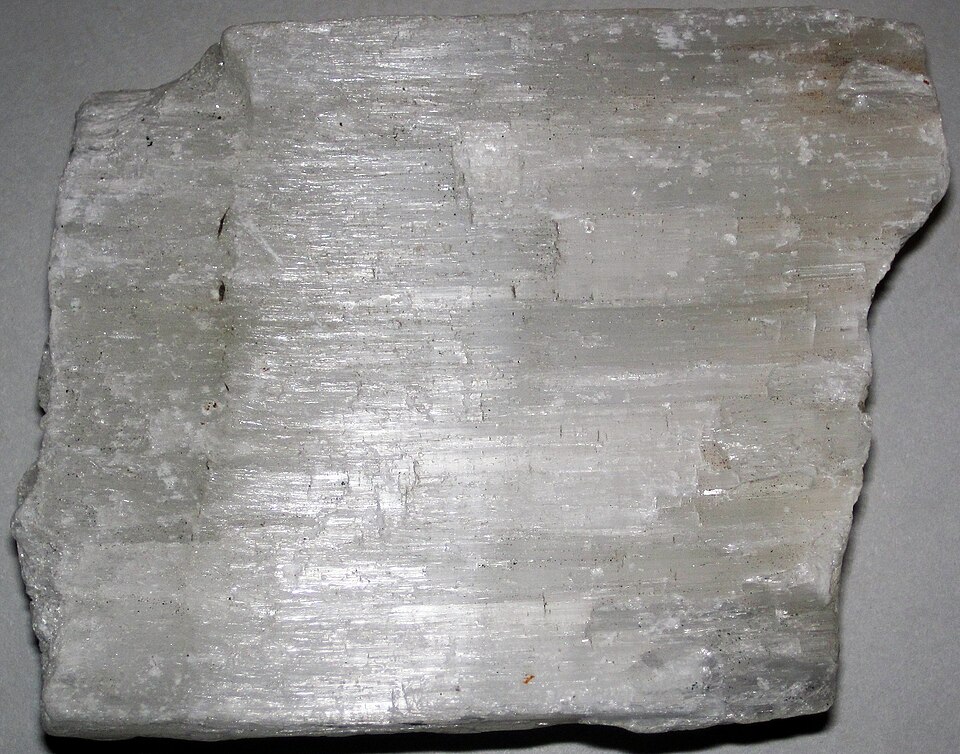
Satin Spar is a fibrous variety of gypsum recognized by its silky sheen, white to cream color, and soft hardness.
Also known as: satin spar gypsum, fibrous gypsum, selenite tower, selenite wand.
Satin Spar properties at a glance
| Type | Minerals |
|---|---|
| Chemical formula | CaSO4·2H2O |
| Mohs hardness | 2 |
| Crystal system | monoclinic |
| Luster | silky |
| Streak | White |
| Cleavage | Perfect |
| Fracture | Fibrous |
| Specific gravity | 2.3 |
| Transparency | translucent |
| Common colors | White, Cream, Colorless, Peach |
| Rarity | common |
Geology & background
Forms as fibrous gypsum in evaporite deposits, fractures, or veins where calcium sulfate crystallizes from mineral-rich water.
Satin Spar is widely used in mineral collecting, decorative carvings, and the crystal trade as a gypsum variety.
How to identify Satin Spar
- Look for silky fibrous bands and white to cream translucency.
- Confirm softness; gypsum scratches easily with a fingernail.
- Do not confuse fibrous satin spar with clear platy selenite crystals.
Full Satin Spar identification guide: checklist, home tests and look-alikes →
Satin Spar vs similar stones
Not sure it isn't something else? Side-by-side comparisons with the stones most often confused with Satin Spar.
Where Satin Spar is found
Satin Spar gypsum is reported from many evaporite localities; exact locality should be verified from specimen provenance.
How much is Satin Spar worth?
| Entry-level specimen | $5 |
|---|---|
| Typical collector specimen | $20 |
| Premium specimen | $120+ |
Value depends on size, condition, color, pattern, locality, preparation, and provenance. Treat this as educational guidance, not an appraisal.
Common uses
- Decorative objects
- Carvings
- Collector specimens
- Educational specimens
Interesting facts
- Many retail pieces labeled selenite towers are actually satin spar gypsum.
- The silky shimmer comes from parallel fibrous crystals.
- It is soft enough to scratch with a fingernail.
Care & safety
Treat Satin Spar as a collector specimen unless hardness, cleavage, and fracture are confirmed.
Avoid inhaling dust. Do not cut, grind, or polish unknown specimens without eye protection and a properly rated respirator.
Satin Spar FAQ
What is Satin Spar?
Satin Spar is a fibrous variety of gypsum recognized by its silky sheen, white to cream color, and soft hardness.
How much is Satin Spar worth?
Entry-level Satin Spar specimens sell for around $5, a typical collector specimen for about $20, and premium pieces for $120 or more. Value depends on size, condition, color, pattern, locality, preparation, and provenance. Treat this as educational guidance, not an appraisal.
How hard is Satin Spar?
Satin Spar has a Mohs hardness of 2. A fingernail (Mohs 2.5) scratches it easily.
Where is Satin Spar found?
Notable sources of Satin Spar include Morocco, Mexico, USA, England, and Australia. Forms as fibrous gypsum in evaporite deposits, fractures, or veins where calcium sulfate crystallizes from mineral-rich water..
What is Satin Spar used for?
Satin Spar is used for decorative objects, carvings, collector specimens, and educational specimens.