Materials · common
Slag Glass
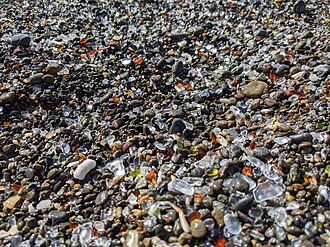
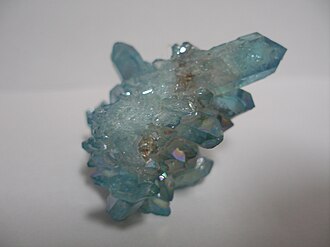
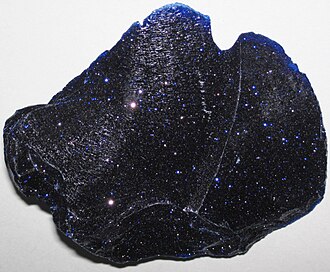
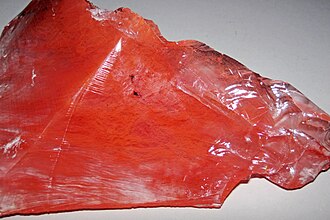
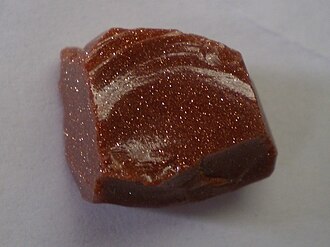
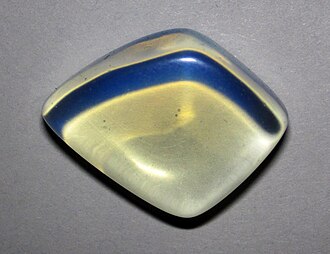
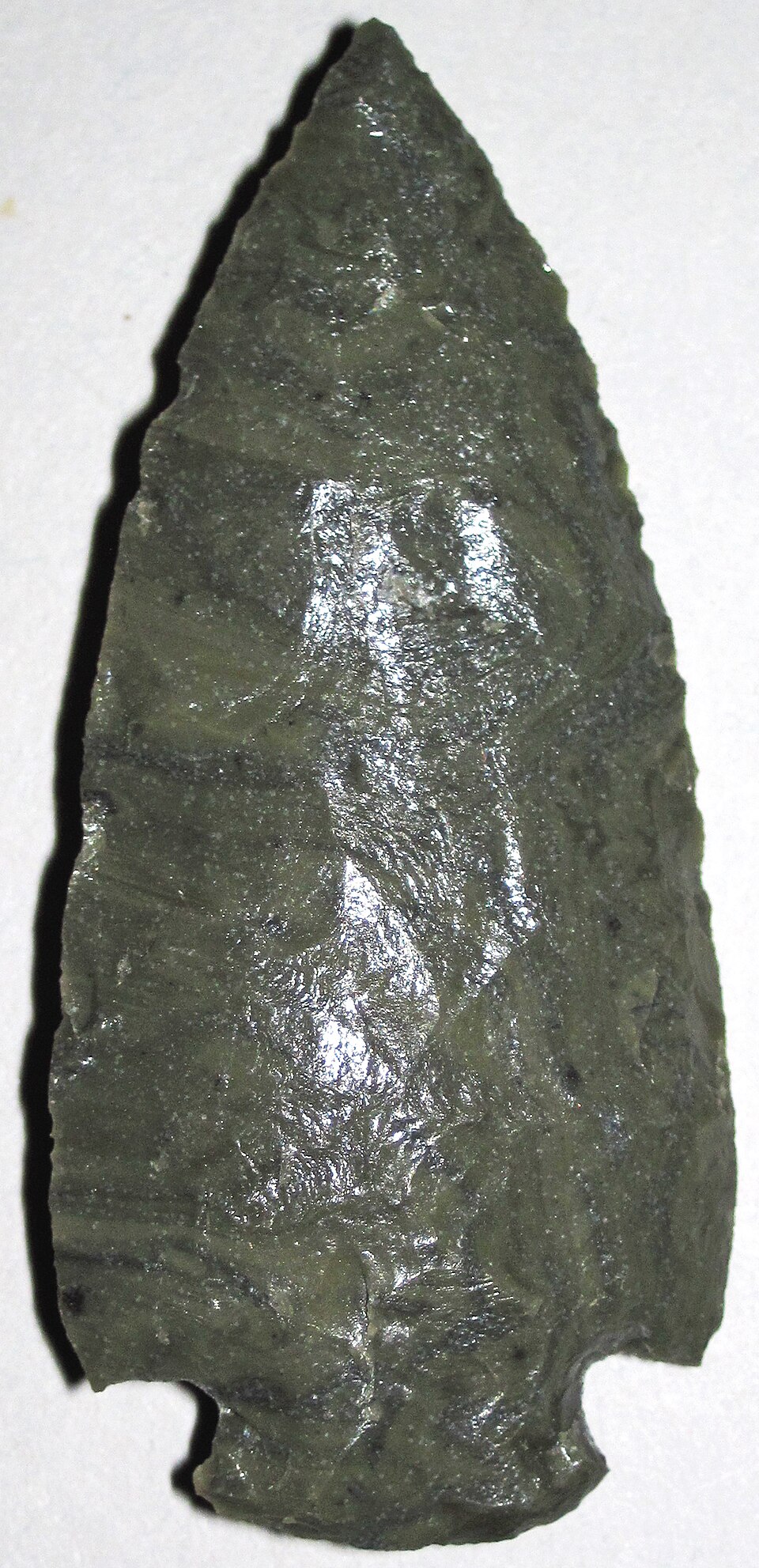
Slag Glass is glassy industrial byproduct or manufactured glass with swirled colors, sometimes collected or knapped like stone.
Also known as: Glass Slag, Furnace Slag Glass, Industrial Slag Glass, cullet glass.
Slag Glass properties at a glance
| Type | Materials |
|---|---|
| Chemical formula | Industrial silicate glass |
| Mohs hardness | 5.5 |
| Crystal system | amorphous |
| Luster | vitreous |
| Streak | White to colorless |
| Cleavage | None |
| Fracture | Conchoidal |
| Specific gravity | 2.5 |
| Transparency | translucent |
| Common colors | Blue, Green, Black, Brown, White, Swirled |
| Rarity | common |
Geology & background
Forms as glassy industrial byproduct from furnaces, smelting, or glass manufacturing rather than natural geological crystallization.
Slag Glass is associated with industrial glassmaking, metal smelting, and decorative glass traditions.
How to identify Slag Glass
- Look for bubbles, flow bands, glassy fracture, and unnatural color swirls.
- Industrial context or sharp glassy chips strongly supports slag glass.
- Compare against natural Obsidian, Chert, and Agate before assigning a geological name.
Full Slag Glass identification guide: checklist, home tests and look-alikes →
Slag Glass vs similar stones
Not sure it isn't something else? Side-by-side comparisons with the stones most often confused with Slag Glass.
Where Slag Glass is found
Slag Glass is a retail or manufactured material label; record seller disclosure and provenance when known.
How much is Slag Glass worth?
| Entry-level specimen | $1 |
|---|---|
| Typical collector specimen | $10 |
| Premium specimen | $80+ |
Value is usually decorative or lapidary-market value, not natural rarity. Price depends on size, polish, color effect, condition, seller disclosure, and craftsmanship.
Common uses
- Decorative objects
- Lapidary practice
- Knapped art
- Historic industrial collecting
Interesting facts
- Some slag glass resembles obsidian, chert, or colorful agate at first glance.
- It may contain bubbles, flow lines, or industrial colorants.
- Historic slag pieces can be collectible, but the material is not a natural mineral.
Care & safety
Slag Glass may be glass, coated, dyed, or otherwise manufactured; handle it as a decorative material unless verified otherwise.
Avoid inhaling dust. Do not cut, grind, or polish unknown specimens without eye protection and a properly rated respirator.
Slag Glass FAQ
What is Slag Glass?
Slag Glass is glassy industrial byproduct or manufactured glass with swirled colors, sometimes collected or knapped like stone.
How much is Slag Glass worth?
Entry-level Slag Glass specimens sell for around $1, a typical collector specimen for about $10, and premium pieces for $80 or more. Value is usually decorative or lapidary-market value, not natural rarity. Price depends on size, polish, color effect, condition, seller disclosure, and craftsmanship.
How hard is Slag Glass?
Slag Glass has a Mohs hardness of 5.5. It is about as hard as window glass: a knife barely marks it, while a steel file (Mohs 6.5) will.
Where is Slag Glass found?
Notable sources of Slag Glass include Industrial sites, Historic glassworks, and Steelmaking regions. Forms as glassy industrial byproduct from furnaces, smelting, or glass manufacturing rather than natural geological crystallization..
What is Slag Glass used for?
Slag Glass is used for decorative objects, lapidary practice, knapped art, and historic industrial collecting.