Metamorphic Rocks · common
Amphibolite
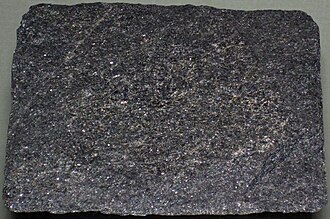
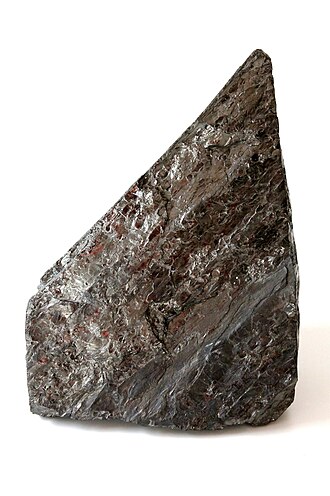
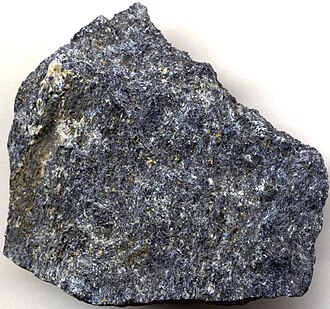
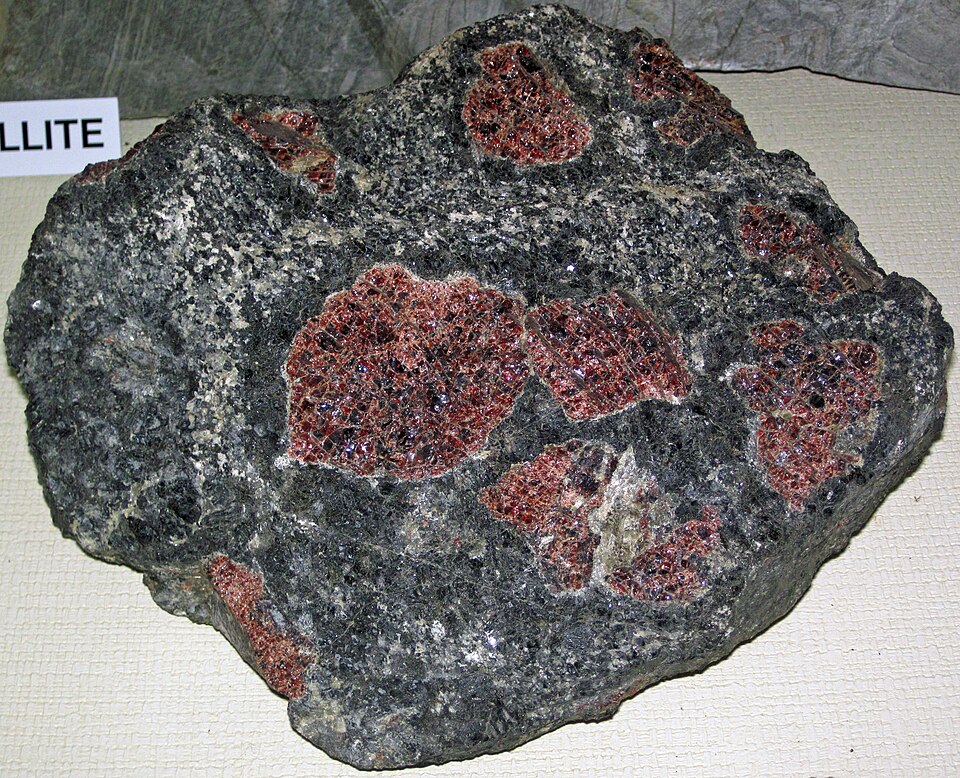
Amphibolite is a dark, tough metamorphic rock made mostly of amphibole and plagioclase. It often appears black to dark green and may contain red garnets.
Also known as: Garnet amphibolite, Hornblende amphibolite.
Amphibolite properties at a glance
| Type | Metamorphic Rocks |
|---|---|
| Chemical formula | Hornblende and plagioclase-rich metamorphic rock |
| Mohs hardness | 5.5 |
| Luster | dull |
| Streak | Variable; usually pale gray to white |
| Cleavage | Variable by amphibole and feldspar grains |
| Fracture | Uneven to granular |
| Specific gravity | 3 |
| Transparency | opaque |
| Common colors | Black, Dark green, Gray, White, Red |
| Rarity | common |
Geology & background
Forms when basalt, gabbro, or other mafic rocks are metamorphosed under medium to high temperatures and pressures.
Amphibolite helps geologists recognize metamorphosed mafic rocks and medium to high grade metamorphic conditions.
How to identify Amphibolite
- Look for a dark green to black granular rock dominated by amphibole.
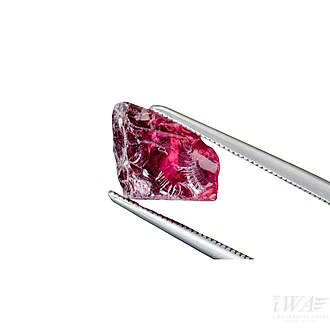
- Red garnets in a dark amphibole-rich matrix can support garnet amphibolite.
- Amphibolite is usually tougher and less strongly layered than mica schist.
- A fresh surface shows mineral grains better than a weathered dark rind.
Full Amphibolite identification guide: checklist, home tests and look-alikes →
Amphibolite vs similar stones
Not sure it isn't something else? Side-by-side comparisons with the stones most often confused with Amphibolite.
Where Amphibolite is found
Reported from multiple metamorphic terrains worldwide; verify locality against specimen provenance when available.
How much is Amphibolite worth?
| Entry-level specimen | $1 |
|---|---|
| Typical collector specimen | $10 |
| Premium specimen | $75+ |
Amphibolite is usually valued for teaching, field context, locality, texture, mineral content, or unusually attractive specimens rather than high gem value.
Common uses
- Field identification
- Metamorphic history study
- Decorative stone when durable
- Education
Interesting facts
- Amphibolite commonly forms from metamorphosed basalt or gabbro.
- Garnet amphibolite can show red crystals scattered through a dark matrix.
- It is usually denser and darker than many quartz-rich metamorphic rocks.
Care & safety
Amphibolite can vary in toughness, cleavage, and weathering depending on mineral mix and fabric.
Avoid inhaling dust. Do not cut, grind, or polish unknown metamorphic rocks without eye protection and a properly rated respirator.
Amphibolite FAQ
What is Amphibolite?
Amphibolite is a dark, tough metamorphic rock made mostly of amphibole and plagioclase. It often appears black to dark green and may contain red garnets.
How much is Amphibolite worth?
Entry-level Amphibolite specimens sell for around $1, a typical collector specimen for about $10, and premium pieces for $75 or more. Amphibolite is usually valued for teaching, field context, locality, texture, mineral content, or unusually attractive specimens rather than high gem value.
How hard is Amphibolite?
Amphibolite has a Mohs hardness of 5.5. It is about as hard as window glass: a knife barely marks it, while a steel file (Mohs 6.5) will.
What is Amphibolite used for?
Amphibolite is used for field identification, metamorphic history study, decorative stone when durable, and education.