Metamorphic Rocks · common
Anthracite
Anthracite is a hard, shiny, high-carbon coal. It often looks black, compact, lightweight for its size, and glassy to submetallic.
Also known as: Hard coal, Anthracite coal, Shiny coal.
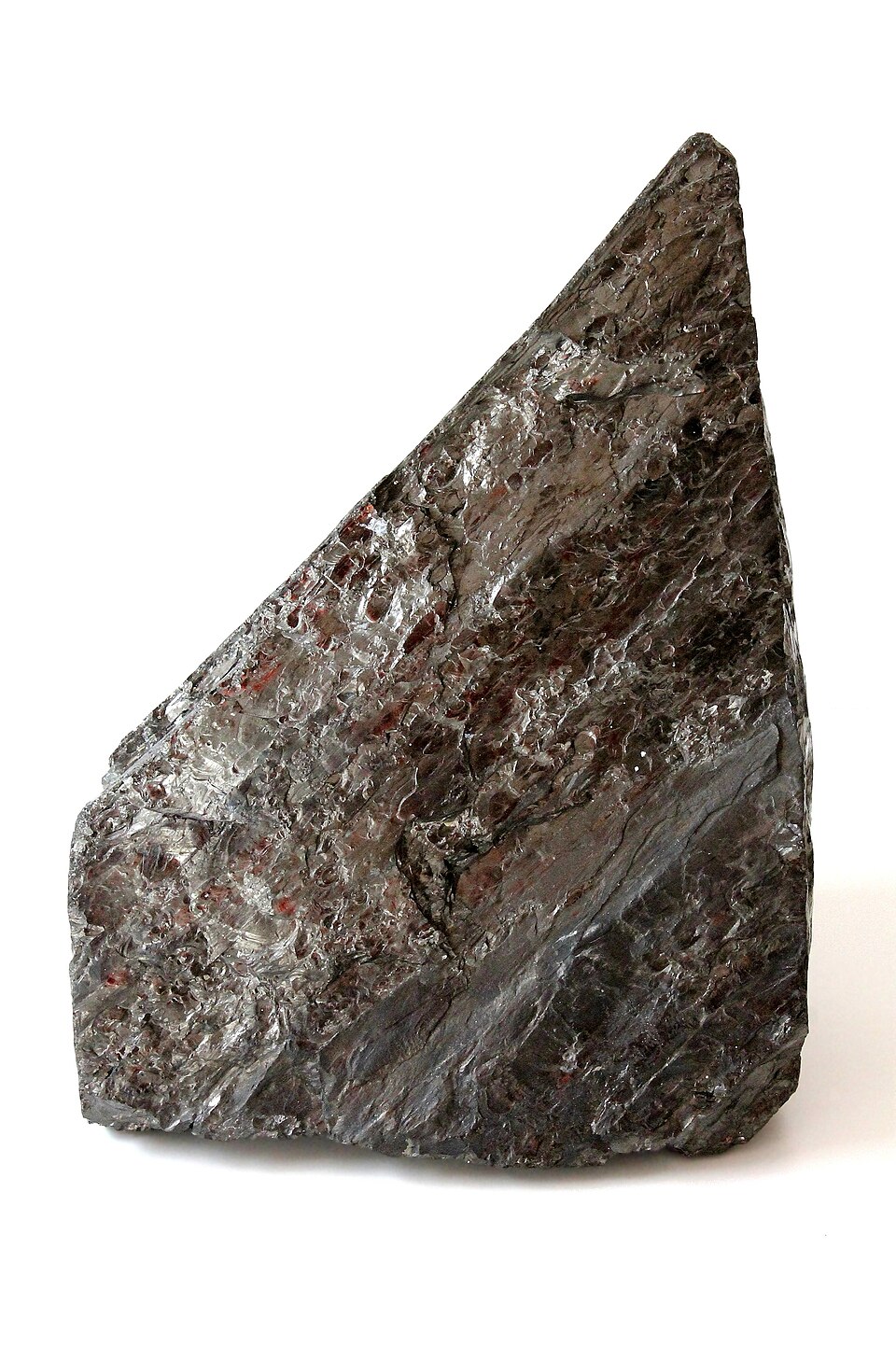
Anthracite properties at a glance
| Type | Metamorphic Rocks |
|---|---|
| Chemical formula | Carbon-rich metamorphic coal |
| Mohs hardness | 2.5 |
| Luster | submetallic |
| Streak | Black to dark gray |
| Cleavage | None |
| Fracture | Conchoidal to uneven |
| Specific gravity | 1.5 |
| Transparency | opaque |
| Common colors | Black, Steel gray |
| Rarity | common |
Geology & background
Forms when bituminous coal is metamorphosed by heat and pressure, increasing carbon content and luster.
Anthracite was an important domestic and industrial fuel in many mining regions and is useful for recognizing high-grade coal metamorphism.
How to identify Anthracite
- Look for black color, high shine, and a compact coal-like texture.
- Anthracite is usually lighter than metallic minerals of similar size.
- Curved, glassy-looking fracture surfaces can help separate it from matte shale.
- Do not confuse anthracite with jet, obsidian, hematite, or black slag without checking weight, streak, and texture.
Full Anthracite identification guide: checklist, home tests and look-alikes →
Anthracite vs similar stones
Not sure it isn't something else? Side-by-side comparisons with the stones most often confused with Anthracite.
Where Anthracite is found
Reported from multiple metamorphic terrains worldwide; verify locality against specimen provenance when available.
How much is Anthracite worth?
| Entry-level specimen | $1 |
|---|---|
| Typical collector specimen | $8 |
| Premium specimen | $50+ |
Anthracite is usually valued for teaching, field context, locality, texture, mineral content, or unusually attractive specimens rather than high gem value.
Common uses
- Field identification
- Education
- Fuel history specimens
- Carbon-rich rock comparison
Interesting facts
- Anthracite is the highest rank of coal.
- It commonly shows a bright black to steel-gray shine.
- Fresh broken surfaces can show curved or conchoidal fracture.
Care & safety
Anthracite can vary in toughness, cleavage, and weathering depending on mineral mix and fabric.
Avoid inhaling dust. Do not cut, grind, or polish unknown metamorphic rocks without eye protection and a properly rated respirator.
Keep away from flames. Anthracite is carbon-rich coal and can burn under the right conditions.
Anthracite FAQ
What is Anthracite?
Anthracite is a hard, shiny, high-carbon coal. It often looks black, compact, lightweight for its size, and glassy to submetallic.
How much is Anthracite worth?
Entry-level Anthracite specimens sell for around $1, a typical collector specimen for about $8, and premium pieces for $50 or more. Anthracite is usually valued for teaching, field context, locality, texture, mineral content, or unusually attractive specimens rather than high gem value.
How hard is Anthracite?
Anthracite has a Mohs hardness of 2.5. A copper coin (Mohs 3.5) scratches it, but a fingernail does not.
Where is Anthracite found?
Notable sources of Anthracite include USA, China, Russia, Ukraine, and Vietnam. Forms when bituminous coal is metamorphosed by heat and pressure, increasing carbon content and luster..
What is Anthracite used for?
Anthracite is used for field identification, education, fuel history specimens, and carbon-rich rock comparison.