Native Elements · legendary
Gold
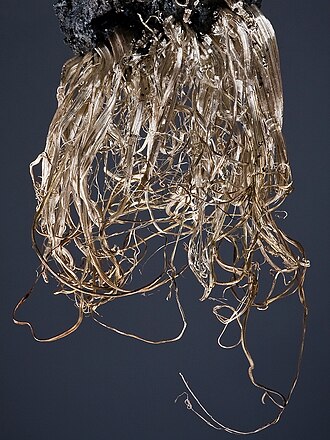
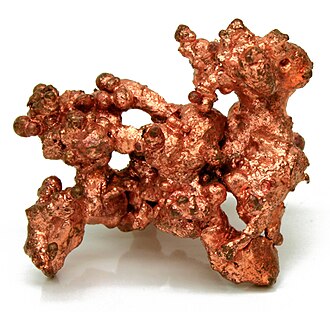
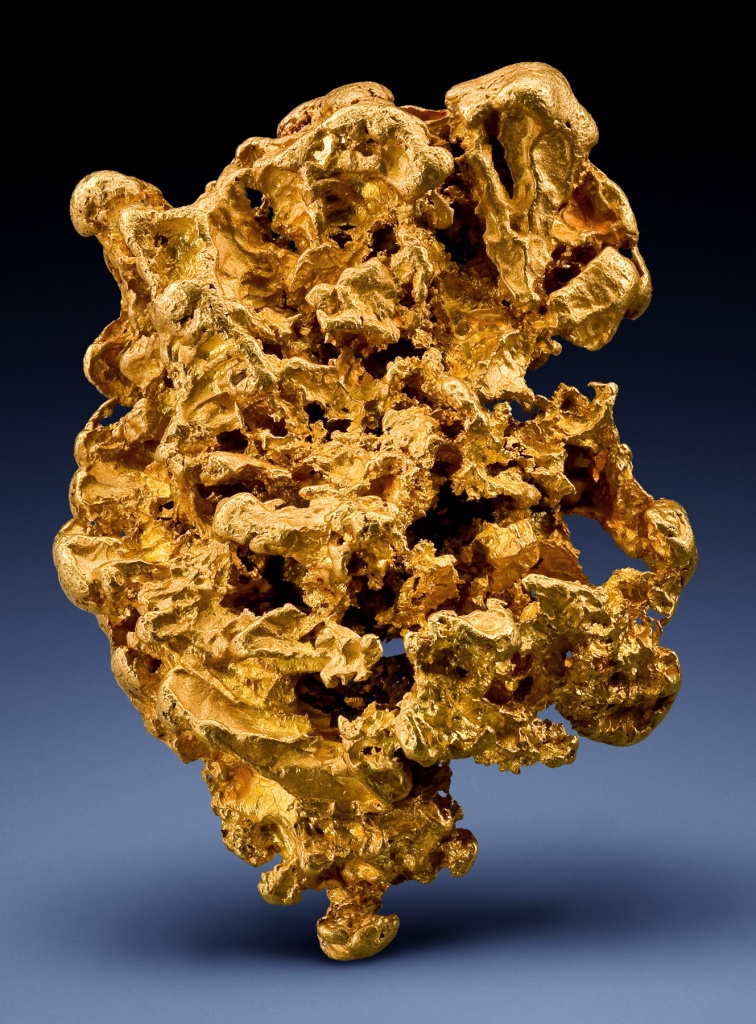
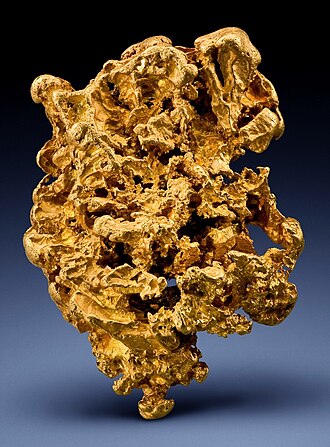
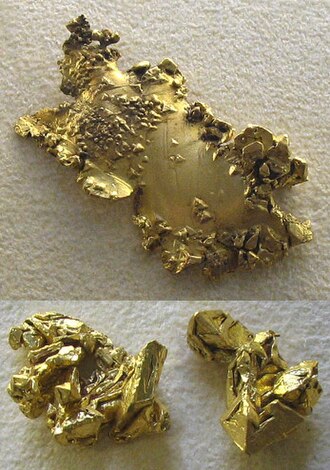
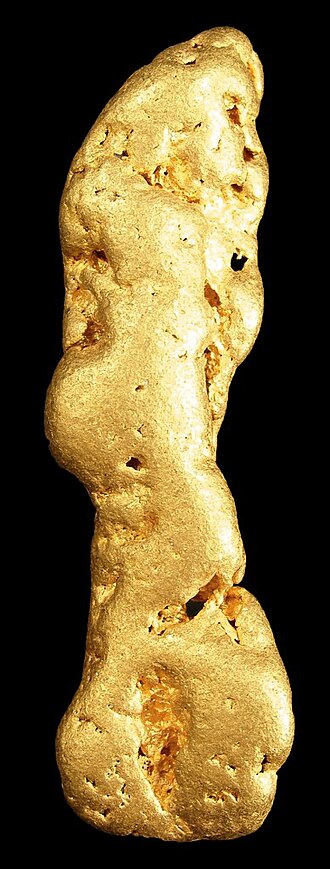
Gold is a native metallic element prized for its rich yellow color, high density, malleability, and resistance to tarnish. In specimens it appears as nuggets, wires, leaves, grains, or crystalline masses, often associated with quartz veins or placer gravels.
Also known as: Native gold, Aurum, Gold nugget.
Gold properties at a glance
| Type | Native Elements |
|---|---|
| Chemical formula | Au |
| Mohs hardness | 2.5 |
| Crystal system | cubic |
| Luster | metallic |
| Streak | Golden yellow |
| Cleavage | None |
| Fracture | Hackly |
| Specific gravity | 19.3 |
| Transparency | opaque |
| Common colors | Gold, Yellow |
| Rarity | legendary |
Geology & background
Gold commonly forms in hydrothermal quartz veins and can be concentrated into placer deposits after weathering releases dense native metal grains.
Gold has played a role in ancient civilizations on every continent. Its beauty, rarity, and resistance to corrosion made it central to jewelry, trade, coinage, ornament, and long-running ideas of wealth.
How to identify Gold
- Look for metallic yellow color that does not tarnish, hackly fracture, and unusually high density for its size.
- Gold is ductile and malleable rather than brittle; suspected specimens should flatten instead of shattering.
- Confirm expensive or unusual specimens with provenance, density checks, and a qualified assay when needed.
Full Gold identification guide: checklist, home tests and look-alikes →
Gold photos
Gold vs similar stones
Not sure it isn't something else? Side-by-side comparisons with the stones most often confused with Gold.
Where Gold is found
Native gold occurs in hydrothermal veins and placer deposits worldwide, with notable specimen localities in Australia, South Africa, Canada, the United States, Brazil, and Argentina.
How much is Gold worth?
| Entry-level specimen | $50 |
|---|---|
| Typical collector specimen | $1200 |
| Premium specimen | $10000+ |
Value depends on gold content, specimen weight, crystal form, locality, aesthetics, damage, and provenance.
Common uses
- Financial exchange
- Jewelry
- Electronics
- Dentistry
- Gilding and decorative arts
- Collector specimens
Interesting facts
- Gold is so malleable that a single ounce can be beaten into a sheet covering hundreds of square feet.
- Between 1904 and 1912, Olympic winners received solid gold medals.
- It is technically possible to create gold in a nuclear reactor, but it is not cost-effective.
- Native gold is one of the few minerals that can be identified by a combination of metallic yellow color, high density, and ductility.
Care & safety
Gold is soft and can scratch, dent, or deform even though it resists tarnish.
Avoid inhaling dust. Do not cut, grind, or polish unknown specimens without eye protection and a proper respirator.
Gold FAQ
What is Gold?
Gold is a native metallic element prized for its rich yellow color, high density, malleability, and resistance to tarnish. In specimens it appears as nuggets, wires, leaves, grains, or crystalline masses, often associated with quartz veins or placer gravels.
How much is Gold worth?
Entry-level Gold specimens sell for around $50, a typical collector specimen for about $1200, and premium pieces for $10000 or more. Value depends on gold content, specimen weight, crystal form, locality, aesthetics, damage, and provenance.
How hard is Gold?
Gold has a Mohs hardness of 2.5. A copper coin (Mohs 3.5) scratches it, but a fingernail does not.
Where is Gold found?
Notable sources of Gold include Australia, South Africa, Canada, United States, Brazil, and Argentina. Gold commonly forms in hydrothermal quartz veins and can be concentrated into placer deposits after weathering releases dense native metal grains..
What is Gold used for?
Gold is used for financial exchange, jewelry, electronics, dentistry, and gilding and decorative arts.