Native Elements · legendary
Platinum
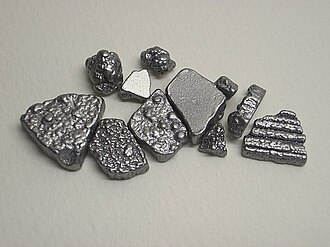
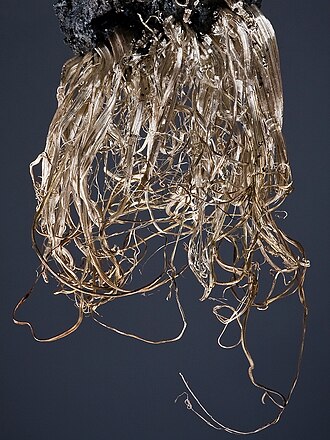
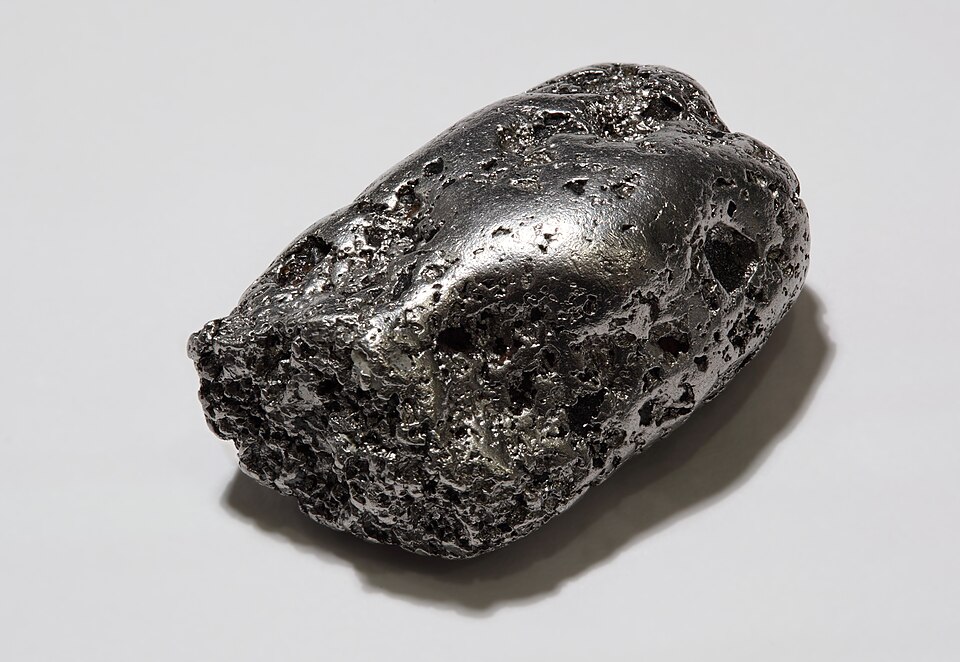
Platinum is a rare native metallic element with a silvery to steel-gray color, very high density, and strong resistance to corrosion. In nature it occurs as small grains, flakes, and nuggets rather than well-formed crystals, often within ultramafic rocks or placer gravels.
Also known as: Native platinum, Platinum nugget.
Platinum properties at a glance
| Type | Native Elements |
|---|---|
| Chemical formula | Pt |
| Mohs hardness | 4.25 |
| Crystal system | cubic |
| Luster | metallic |
| Streak | Steel gray to silver-white |
| Cleavage | None |
| Fracture | Hackly |
| Specific gravity | 18 |
| Transparency | opaque |
| Common colors | Silver, Gray, Steel gray |
| Rarity | legendary |
Geology & background
Native platinum forms mainly in layered mafic and ultramafic igneous intrusions and can be concentrated into placer deposits after weathering frees the dense metal grains.
Platinum was once dismissed by Spanish colonists as an unworkable nuisance metal in gold workings, but it later became prized for jewelry, scientific instruments, and industrial catalysis as refining methods improved.
How to identify Platinum
- Look for a silvery to steel-gray metallic color that does not tarnish and unusually high density for its size.
- Native platinum is malleable and lacks cleavage, typically forming grains and nuggets rather than crystals.
- Confirm rare or valuable specimens with provenance, density checks, and qualified testing when needed.
Full Platinum identification guide: checklist, home tests and look-alikes →
Platinum vs similar stones
Not sure it isn't something else? Side-by-side comparisons with the stones most often confused with Platinum.
Where Platinum is found
Native platinum occurs in ultramafic intrusions and placer deposits, with notable specimen localities in South Africa, Russia, Zimbabwe, Canada, the United States, and Colombia.
How much is Platinum worth?
| Entry-level specimen | $60 |
|---|---|
| Typical collector specimen | $900 |
| Premium specimen | $8000+ |
Value depends on platinum content, specimen weight, locality, aesthetics, damage, and provenance.
Common uses
- Catalytic converters
- Jewelry
- Laboratory equipment
- Electronics
- Chemical industry catalysts
- Collector specimens
Interesting facts
- Platinum is one of the densest and least reactive metals, resisting corrosion even at high temperatures.
- Pre-Columbian peoples in Colombia worked native platinum long before European metallurgists could melt it.
- Natural platinum almost always contains iron and other platinum-group metals rather than being pure.
- It can be identified by a silvery metallic color, very high density, and a lack of tarnish or cleavage.
Care & safety
Platinum is durable and resists tarnish, though its softness allows surfaces to scratch or dent.
Avoid inhaling dust. Do not cut, grind, or polish unknown specimens without eye protection and a proper respirator.
Platinum FAQ
What is Platinum?
Platinum is a rare native metallic element with a silvery to steel-gray color, very high density, and strong resistance to corrosion. In nature it occurs as small grains, flakes, and nuggets rather than well-formed crystals, often within ultramafic rocks or placer gravels.
How much is Platinum worth?
Entry-level Platinum specimens sell for around $60, a typical collector specimen for about $900, and premium pieces for $8000 or more. Value depends on platinum content, specimen weight, locality, aesthetics, damage, and provenance.
How hard is Platinum?
Platinum has a Mohs hardness of 4.25. A steel knife blade (Mohs 5.5) scratches it; a copper coin does not.
Where is Platinum found?
Notable sources of Platinum include South Africa, Russia, Zimbabwe, Canada, United States, and Colombia. Native platinum forms mainly in layered mafic and ultramafic igneous intrusions and can be concentrated into placer deposits after weathering frees the dense metal grains..
What is Platinum used for?
Platinum is used for catalytic converters, jewelry, laboratory equipment, electronics, and chemical industry catalysts.