Native Elements · rare
Silver
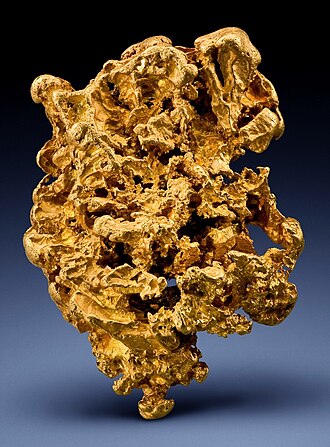
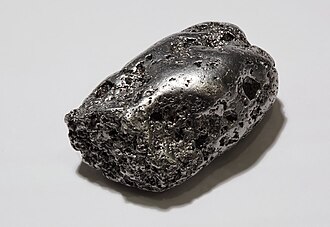
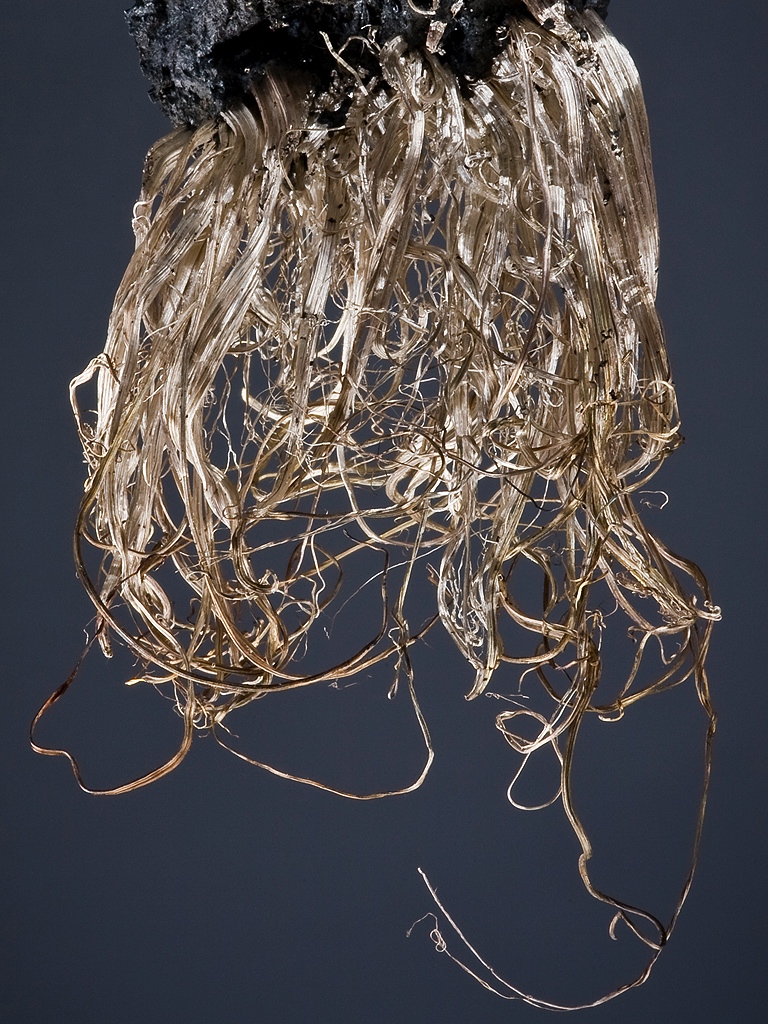
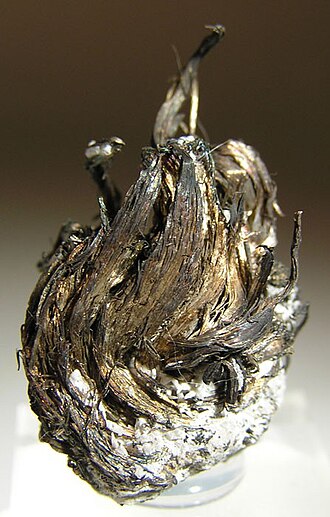
Silver is a native metallic element with a bright silver-white color, high density, and excellent malleability. In specimens it appears as wires, dendrites, leaves, and crystalline masses, though exposed surfaces usually tarnish to dark gray.
Also known as: Native silver, Argentum.
Silver properties at a glance
| Type | Native Elements |
|---|---|
| Chemical formula | Ag |
| Mohs hardness | 2.75 |
| Crystal system | cubic |
| Luster | metallic |
| Streak | Silver white |
| Cleavage | None |
| Fracture | Hackly |
| Specific gravity | 10.5 |
| Transparency | opaque |
| Common colors | Silver white, Gray |
| Rarity | rare |
Geology & background
Native silver forms mainly in hydrothermal veins, often in the oxidized or enriched zones of ore deposits, where it can grow as wires, dendrites, and crystalline masses.
Silver has been mined and worked for thousands of years for coinage, jewelry, and ornament. Major silver discoveries shaped economies and drove mining rushes across several continents.
How to identify Silver
- Look for silver-white metallic color, high density, and hackly fracture, often with a dark tarnish.
- Native silver is ductile and malleable rather than brittle, and frequently forms wires or dendrites.
- Confirm valuable or unusual specimens with provenance, density checks, and a qualified assay when needed.
Full Silver identification guide: checklist, home tests and look-alikes →
Silver photos
Silver vs similar stones
Not sure it isn't something else? Side-by-side comparisons with the stones most often confused with Silver.
Where Silver is found
Native silver occurs in hydrothermal veins worldwide, with notable specimen localities in Mexico, Norway, Germany, the United States, Canada, and Peru.
How much is Silver worth?
| Entry-level specimen | $20 |
|---|---|
| Typical collector specimen | $300 |
| Premium specimen | $3000+ |
Value depends on silver content, specimen form, crystal quality, locality, aesthetics, and provenance.
Common uses
- Coinage and bullion
- Jewelry and silverware
- Electronics and electrical contacts
- Photography in earlier eras
- Collector specimens
Interesting facts
- Native silver often grows in delicate wire and dendritic forms that resemble tangled threads.
- Silver is the most electrically and thermally conductive of all metals.
- Bright silver surfaces tarnish dark as silver reacts with sulfur compounds in the air.
- Much of the world's silver is actually recovered as a byproduct of lead, zinc, and copper mining.
Care & safety
Silver is soft and easily scratched or bent, and delicate wires and dendrites are fragile.
Avoid inhaling dust. Do not cut, grind, or polish unknown specimens without eye protection and a proper respirator.
Silver FAQ
What is Silver?
Silver is a native metallic element with a bright silver-white color, high density, and excellent malleability. In specimens it appears as wires, dendrites, leaves, and crystalline masses, though exposed surfaces usually tarnish to dark gray.
How much is Silver worth?
Entry-level Silver specimens sell for around $20, a typical collector specimen for about $300, and premium pieces for $3000 or more. Value depends on silver content, specimen form, crystal quality, locality, aesthetics, and provenance.
How hard is Silver?
Silver has a Mohs hardness of 2.75. A copper coin (Mohs 3.5) scratches it, but a fingernail does not.
Where is Silver found?
Notable sources of Silver include Mexico, Norway, Germany, United States, Canada, and Peru. Native silver forms mainly in hydrothermal veins, often in the oxidized or enriched zones of ore deposits, where it can grow as wires, dendrites, and crystalline masses..
What is Silver used for?
Silver is used for coinage and bullion, jewelry and silverware, electronics and electrical contacts, photography in earlier eras, and collector specimens.