Sulfide Minerals · uncommon
Orpiment
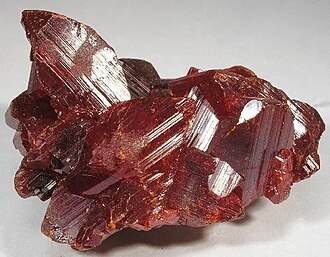
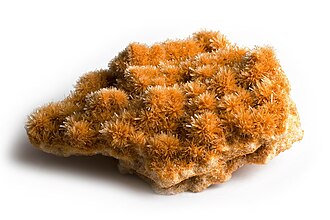
Orpiment is a soft arsenic sulfide mineral famous for its brilliant lemon to golden-yellow color and resinous luster. It forms in low-temperature veins and hot spring deposits, commonly alongside red-orange realgar.
Also known as: King's yellow, Auripigment, Arsenic trisulfide.
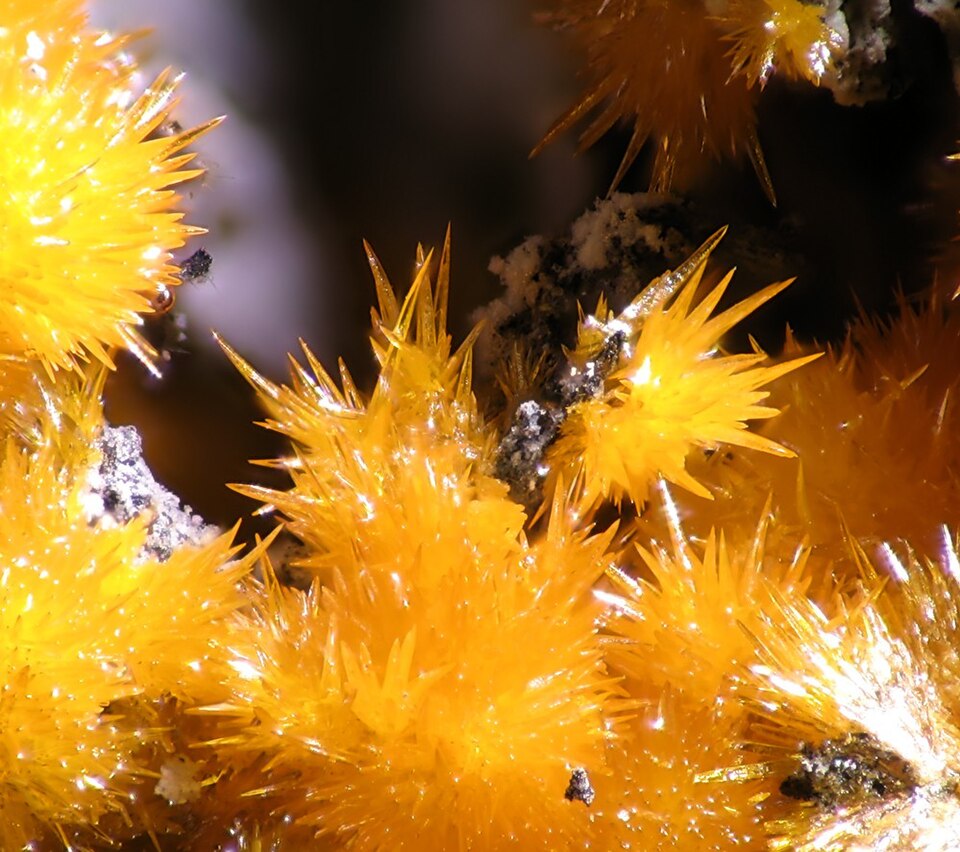
Orpiment properties at a glance
| Type | Sulfide Minerals |
|---|---|
| Chemical formula | As2S3 |
| Mohs hardness | 1.75 |
| Crystal system | monoclinic |
| Luster | resinous |
| Streak | Pale lemon yellow |
| Cleavage | Perfect on {010} |
| Fracture | Uneven |
| Specific gravity | 3.49 |
| Transparency | translucent |
| Common colors | Lemon yellow, Golden yellow, Orange-yellow, Brownish yellow |
| Rarity | uncommon |
Geology & background
Orpiment is an arsenic sulfide that forms in low-temperature hydrothermal veins, hot spring deposits, and volcanic fumaroles, often together with the related arsenic mineral realgar.
Orpiment was used as a yellow pigment in art and manuscripts for thousands of years and was also valued in early medicine and alchemy before its toxicity was fully understood.
How to identify Orpiment
- Look for a soft, bright lemon to golden-yellow mineral with a resinous to pearly luster.
- Orpiment is very soft at about 1.5 to 2 and has one perfect cleavage that yields flexible flakes.
- Its pale yellow streak and association with red-orange realgar are strong identifying clues.
Full Orpiment identification guide: checklist, home tests and look-alikes →
Orpiment vs similar stones
Not sure it isn't something else? Side-by-side comparisons with the stones most often confused with Orpiment.
Where Orpiment is found
Orpiment occurs in low-temperature veins, hot springs, and fumaroles worldwide, with notable specimen localities in the United States, Peru, Russia, China, Romania, and Greece.
How much is Orpiment worth?
| Entry-level specimen | $10 |
|---|---|
| Typical collector specimen | $60 |
| Premium specimen | $400+ |
Value depends on color intensity, crystal development, luster, locality, size, and stability of the specimen.
Common uses
- Historical yellow pigment
- Collector specimens
- Mineralogical study
- Historical use in tanning and arts
Interesting facts
- Orpiment was once an important yellow pigment known as King's yellow, despite being highly toxic.
- Its name comes from the Latin auripigmentum, meaning gold pigment, for its rich yellow color.
- Orpiment and realgar are closely associated arsenic sulfides that often occur together.
- Realgar can slowly transform toward orpiment-like material after long exposure to light.
Care & safety
Orpiment is very soft and brittle and can flake apart or slowly degrade with light exposure.
Contains arsenic. Orpiment is an arsenic sulfide and is toxic; wash hands after handling and never ingest or inhale dust.
Avoid inhaling dust. Do not cut, grind, or polish unknown specimens without eye protection and a proper respirator.
Orpiment FAQ
What is Orpiment?
Orpiment is a soft arsenic sulfide mineral famous for its brilliant lemon to golden-yellow color and resinous luster. It forms in low-temperature veins and hot spring deposits, commonly alongside red-orange realgar.
How much is Orpiment worth?
Entry-level Orpiment specimens sell for around $10, a typical collector specimen for about $60, and premium pieces for $400 or more. Value depends on color intensity, crystal development, luster, locality, size, and stability of the specimen.
How hard is Orpiment?
Orpiment has a Mohs hardness of 1.75. A fingernail (Mohs 2.5) scratches it easily.
Where is Orpiment found?
Notable sources of Orpiment include United States, Peru, Russia, China, Romania, and Greece. Orpiment is an arsenic sulfide that forms in low-temperature hydrothermal veins, hot spring deposits, and volcanic fumaroles, often together with the related arsenic mineral realgar..
What is Orpiment used for?
Orpiment is used for historical yellow pigment, collector specimens, mineralogical study, and historical use in tanning and arts.