Silicate Minerals · common
Serpentine
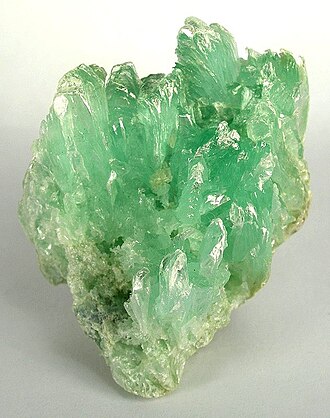
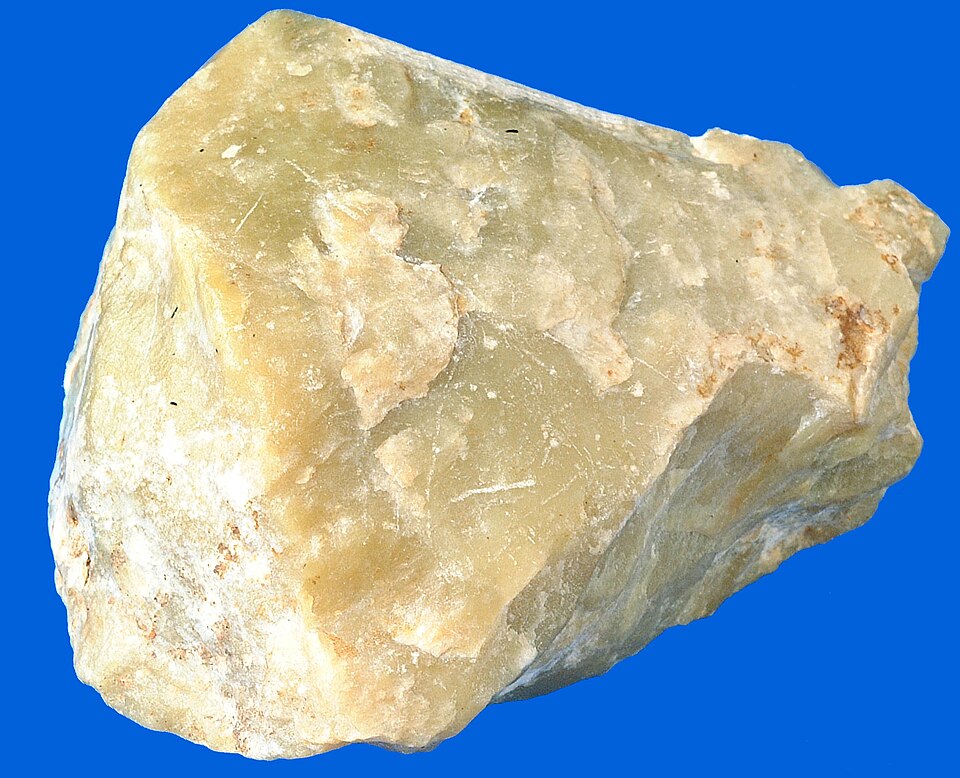
Serpentine is a group of green, magnesium-rich silicate minerals that includes antigorite, lizardite, and chrysotile. It commonly occurs as massive, greasy-feeling rock in mottled green tones and is the main component of the rock serpentinite.
Also known as: Antigorite, Lizardite.
Serpentine properties at a glance
| Type | Silicate Minerals |
|---|---|
| Chemical formula | (Mg,Fe)3Si2O5(OH)4 |
| Mohs hardness | 3.5 |
| Crystal system | monoclinic |
| Luster | greasy |
| Streak | White |
| Cleavage | None visible in massive material |
| Fracture | Conchoidal to splintery |
| Specific gravity | 2.6 |
| Transparency | translucent |
| Common colors | Green, Yellowish green, Olive, Black, White |
| Rarity | common |
Geology & background
Serpentine minerals form by the hydrothermal alteration of magnesium-rich igneous rocks such as peridotite and dunite, a process called serpentinization.
Serpentine has been carved for ornaments and architecture since antiquity. Its asbestos varieties were heavily used in the industrial era before health hazards led to widespread restrictions.
How to identify Serpentine
- Look for mottled green color, a greasy or waxy luster, and a smooth, slippery feel.
- Serpentine is fairly soft and can be scratched by a steel knife.
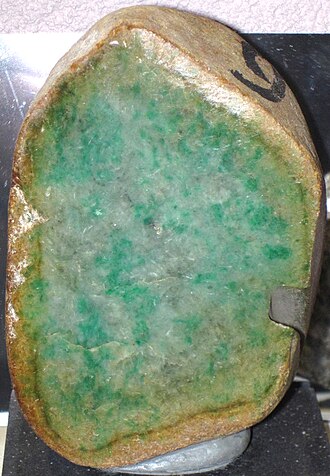
- Massive serpentine can mimic jade; jade is notably harder and tougher.
Full Serpentine identification guide: checklist, home tests and look-alikes →
Serpentine vs similar stones
Not sure it isn't something else? Side-by-side comparisons with the stones most often confused with Serpentine.
Where Serpentine is found
Serpentine occurs in altered ultramafic rocks worldwide, with notable localities in the United States, Italy, the United Kingdom, Canada, China, and Russia.
How much is Serpentine worth?
| Entry-level specimen | $5 |
|---|---|
| Typical collector specimen | $40 |
| Premium specimen | $250+ |
Value depends on color, pattern, translucency, carving quality, size, and locality.
Common uses
- Carved ornaments and sculpture
- Decorative architectural stone
- Jade substitute in lapidary work
- Source of magnesium minerals
- Collector specimens
Interesting facts
- Serpentine gets its name from its mottled green patterns, which resemble snakeskin.
- The fibrous serpentine variety chrysotile is the most common form of commercial asbestos.
- Massive serpentine is widely carved and polished and is sometimes sold as a jade substitute.
- Serpentinite, the rock made of serpentine, is the official state rock of California.
Care & safety
Serpentine is soft and can scratch easily, and fibrous types may shed hazardous fibers.
Asbestos-bearing varieties. Some serpentine contains chrysotile asbestos; never crush, grind, or sand fibrous specimens and avoid inhaling any dust.
Serpentine FAQ
What is Serpentine?
Serpentine is a group of green, magnesium-rich silicate minerals that includes antigorite, lizardite, and chrysotile. It commonly occurs as massive, greasy-feeling rock in mottled green tones and is the main component of the rock serpentinite.
How much is Serpentine worth?
Entry-level Serpentine specimens sell for around $5, a typical collector specimen for about $40, and premium pieces for $250 or more. Value depends on color, pattern, translucency, carving quality, size, and locality.
How hard is Serpentine?
Serpentine has a Mohs hardness of 3.5. A steel knife blade (Mohs 5.5) scratches it; a copper coin does not.
Where is Serpentine found?
Notable sources of Serpentine include United States, Italy, United Kingdom, Canada, China, and Russia. Serpentine minerals form by the hydrothermal alteration of magnesium-rich igneous rocks such as peridotite and dunite, a process called serpentinization..
What is Serpentine used for?
Serpentine is used for carved ornaments and sculpture, decorative architectural stone, jade substitute in lapidary work, source of magnesium minerals, and collector specimens.