Metamorphic Rocks · common
Serpentinite
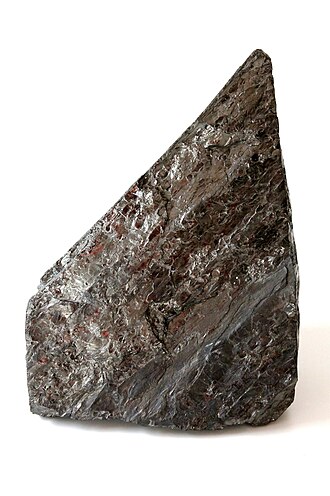
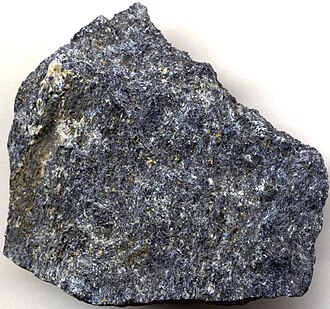
Serpentinite is a metamorphic rock composed largely of serpentine group minerals, chiefly antigorite, chrysotile, and lizardite, formed through the hydrothermal alteration of olivine-rich ultramafic rock. The reaction, called serpentinization, occurs when water reacts with peridotite or dunite at moderate temperatures, releasing heat and hydrogen while transforming the rock's mineralogy and texture. Its mottled green surface, often resembling snakeskin, gives the rock its name.
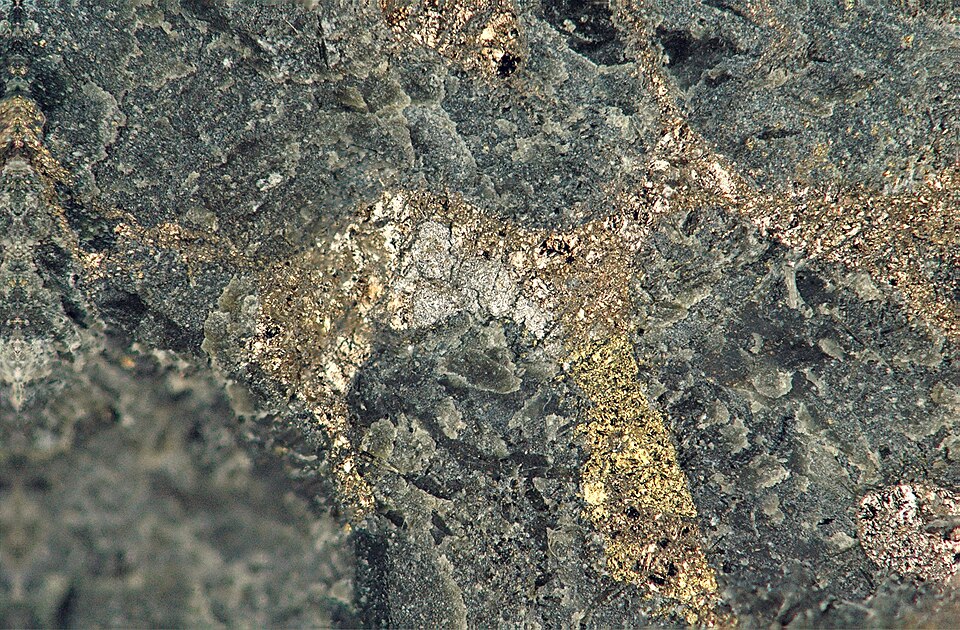
Serpentinite properties at a glance
| Type | Metamorphic Rocks |
|---|---|
| Mohs hardness | 2.5–4 |
| Luster | Greasy, waxy, silky |
| Streak | White |
| Fracture | Conchoidal to splintery |
| Specific gravity | 2.5–2.6 |
| Transparency | Opaque, translucent in thin splinters |
| Common colors | Green, Dark green, Yellowish green, Mottled green and black |
| Rarity | common |
Geology & background
Serpentinite forms wherever water infiltrates ultramafic rock rich in olivine and pyroxene, a process especially common at mid-ocean ridges, in subduction zones, and within ophiolites, slices of ancient oceanic mantle and crust that have been thrust onto continents. The serpentinization reaction is exothermic and can sustain unusual, chemically extreme hot spring ecosystems on the modern seafloor, while on land it produces distinctive, often barren soils that support specially adapted plant communities found nowhere else. Serpentinite is California's official state rock, reflecting its widespread exposure along the state's tectonically active coast ranges.
Rockhounds should know that the chrysotile variety of serpentine was historically mined as a form of asbestos, so massive fibrous serpentinite should be handled with the same care as any asbestos-bearing material.
How to identify Serpentinite
Serpentinite typically shows mottled shades of green, gray-green, and black, sometimes with a waxy to greasy luster reminiscent of scaly snakeskin, and it leaves a white to pale green streak. Its hardness ranges from about 3 to 5 depending on which serpentine mineral dominates, and it often has a smooth, soapy feel where talc has formed as a byproduct of alteration. It is most often confused with jade, which is considerably harder and tougher, or with soapstone, which is softer and more talc-rich; a hardness test and the characteristic mottled texture usually resolve the distinction.
- Compare the specimen's color, luster, crystal habit, grain size, streak, and locality before confirming.
- Use multiple photos when possible, including a fresh surface and a close view of texture.
Full Serpentinite identification guide: checklist, home tests and look-alikes →
Serpentinite vs similar stones
Not sure it isn't something else? Side-by-side comparisons with the stones most often confused with Serpentinite.
Where Serpentinite is found
Reported from multiple localities worldwide; verify locality against specimen provenance when available.
How much is Serpentinite worth?
| Entry-level specimen | $1 |
|---|---|
| Typical collector specimen | $10 |
| Premium specimen | $75+ |
Value depends on size, crystal quality, color, locality, rarity, damage, and provenance.
Common uses
- Field identification
- Metamorphic history study
- Decorative or building stone when suitable
- Education
Interesting facts
- Serpentinite is the official state rock of California, chosen for its widespread presence in the state's coastal mountain ranges.
- The chrysotile variety of serpentine mineral was historically the most commonly mined form of asbestos.
- Serpentinization reactions at mid-ocean ridges release hydrogen gas that can support unusual chemical ecosystems on the deep seafloor.
Care & safety
Handle as a collector specimen until hardness, cleavage, and fracture are verified.
Avoid inhaling dust. Do not cut, grind, or polish unknown specimens without eye protection and a proper respirator.
Serpentinite FAQ
What is Serpentinite?
Serpentinite is a metamorphic rock composed largely of serpentine group minerals, chiefly antigorite, chrysotile, and lizardite, formed through the hydrothermal alteration of olivine-rich ultramafic rock. The reaction, called serpentinization, occurs when water reacts with peridotite or dunite at moderate temperatures, releasing heat and hydrogen while transforming the rock's mineralogy and texture. Its mottled green surface, often resembling snakeskin, gives the rock its name.
How much is Serpentinite worth?
Entry-level Serpentinite specimens sell for around $1, a typical collector specimen for about $10, and premium pieces for $75 or more. Value depends on size, crystal quality, color, locality, rarity, damage, and provenance.
How hard is Serpentinite?
Serpentinite has a Mohs hardness of 2.5–4. A copper coin (Mohs 3.5) scratches it, but a fingernail does not.
What is Serpentinite used for?
Serpentinite is used for field identification, metamorphic history study, decorative or building stone when suitable, and education.